Key Takeaways
- US Secretary of State Marco Rubio announced new visa restrictions for individuals involved in child abduction cases.
- The policy targets foreign officials and others who intentionally obstruct the resolution of such cases.
- Pakistan, a party to the 1980 Hague Convention, could be affected by the new measures.
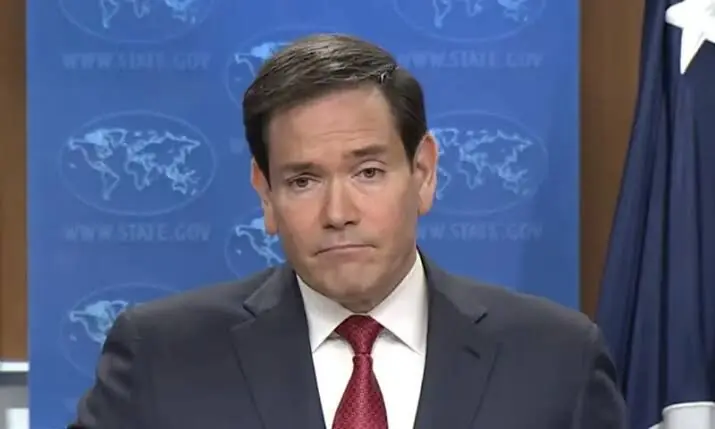
The United States has introduced a new visa restriction policy aimed at individuals and their families involved in international child abduction cases. This move, announced by US Secretary of State Marco Rubio, is part of the Trump Administration's efforts to protect children abducted across international borders and reunite them with their parents.
According to Rubio, the policy will restrict visas for individuals 'responsible for, or complicit in' impeding the prompt resolution of such cases, including foreign government officials, judges, law-enforcement officials, and others who intentionally obstruct efforts to resolve such cases or fail to comply with relevant laws and policies.
The new measure is particularly relevant to Pakistan, which is a party to the 1980 Hague Convention on the Civil Aspects of International Child Abduction. The Hague Convention aims to secure the prompt return of children wrongfully removed from or retained outside their country of habitual residence.
While the policy is not a blanket measure against any country's officials or citizens, its application would depend on the US government's determination that an individual falls within the criteria announced by the State Department. The policy could have implications for India, which is not a party to the Hague Convention, and other countries in the Middle East.
Rubio emphasized that the new policy provides the US Department of State with a new accountability tool to press non-compliant countries to meet their obligations. He stated, 'This policy gives the department a new accountability tool to press non-compliant countries to meet their obligations.'
The announcement also highlights the ongoing challenges in dealing with international parental child abduction cases, especially in countries without a Hague Convention framework. The US State Department has previously engaged Indian authorities on such cases, and the new policy could further influence these interactions.
The policy's significance lies in its targeted approach, focusing on individuals who have deliberately obstructed the resolution of individual cases. This shift in pressure from governments and legal systems to individuals could have far-reaching implications for countries involved in such cases.
Pakistan's compliance with the 1980 Hague Convention and its potential exposure to US visa restrictions under the new policy underscore the importance of addressing international child abduction cases effectively. The policy could serve as a reminder for countries to fulfill their international obligations and ensure the safe return of abducted children.
Protecting American children abducted across international borders and reuniting them with their parents is a top priority for the Trump Administration.
US Secretary of State Marco Rubio, US Secretary of State
This policy gives the department a new accountability tool to press non-compliant countries to meet their obligations.
US Secretary of State Marco Rubio, US Secretary of State