Key Takeaways
- Food imports increased by 11.66% in FY26, reaching $9.150 billion.
- Sugar and edible oil purchases drove the surge, with sugar imports up 8,716.43%.
- Export earnings fell 29.49% to $5.017 billion, widening trade gap.
Pakistan’s food import bill surged by 11.66% in the financial year 2025-26 (FY26), reaching an unprecedented $9.150 billion, according to official data from Dawn Business. This significant increase was largely attributed to higher purchases of sugar and edible oil.
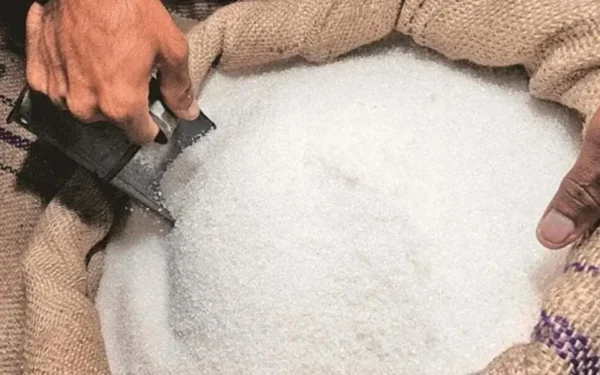
The surge in imports is particularly notable for sugar, which saw a staggering 8,716.43% increase in quantity imported, amounting to 309,545 tonnes compared to just 3,508 tonnes the previous year. In value terms, sugar imports jumped to $175.182 million from $3.508 million, reflecting a sharp rise of 4,893.80%. The government’s decision to allow large-scale imports aimed at addressing domestic shortages and curbing rising prices in local markets appears to have contributed significantly to this trend.
Palm oil also saw a substantial increase in both quantity and value. Imports reached $3.785 billion during FY26, up from $3.395 billion the previous year, marking an 11.54% growth. The import of palm oil increased by 8.36%, bringing the total to 3.482 million tonnes compared to 3.214 million tonnes in the corresponding period last year.
The increase in food imports has widened the trade gap, as exports fell significantly. Raw food product exports declined by 29.49% to $5.017 billion from $7.116 billion in the preceding fiscal year. The decline was broad-based, with most major food categories experiencing negative growth. Rice exports dropped by 31%, while non-basmati rice export earnings fell by 42.57%. Basmati rice, however, showed some resilience, increasing by 1.5% in value terms but decreasing slightly in volume.
The Ministry of Commerce has responded to the challenges faced by exporters with temporary measures. The subsidy scheme for rice exports was extended until September 30 and the Duty Drawback of Local Taxes and Levies (DLTL) rate for non-basmati rice was raised, aiming to provide relief to exporters facing weaker international demand.
The trend has increased Pakistan’s reliance on imported food items, particularly in light of a significant decline in exports. The export of meat recorded a modest growth of 7.10% during FY26, while fish products saw a 3.57% increase. However, the majority of other food products experienced negative growth, with vegetables registering the steepest fall at 55.72%, and fruits showing only a marginal decline.
The financial year 2025-26 has thus seen a significant shift in Pakistan’s trade balance, with imports outpacing exports due to increased demand for essential food items such as sugar and edible oil. The government will need to continue monitoring these trends closely to ensure the stability of both domestic markets and export sectors.