Key Takeaways
- Lebanon and Israel will hold their next round of U.S.-brokered talks on August 4 in Italy.
- The talks aim to implement a plan for Israeli withdrawals and Lebanese army deployments in southern Lebanon.
- Lebanese Prime Minister Nawaf Salam visited Zawtar al-Gharbiyeh, where the first Israeli withdrawal took place.
Lebanon and Israel are set to hold their next round of U.S.-brokered talks on August 4 in Italy. This development comes as both countries continue implementing a framework deal aimed at ending hostilities that erupted in March between Israel and Lebanese armed group Hezbollah.
The talks, which will be held in the Italian capital, follow more than three months of ambassador-level direct meetings. These discussions are significant because Lebanon and Israel remain formally at war and have had no normal diplomatic relations for decades due to invasion, military occupation, and cross-border conflict.
According to a Lebanese official, the next round of talks will focus on discussing technical details and guidelines for the pilot zones, which are designated geographical areas where the phased withdrawal process would be implemented. The first Israeli withdrawal under this programme took place in Zawtar al-Gharbiyeh, with Lebanese army troops beginning their deployment there.
Lebanese Prime Minister Nawaf Salam visited Zawtar al-Gharbiyeh on Wednesday and planted a Lebanese flag, marking the state’s commitment to reopening roads, clearing rubble, and restoring public services. However, he emphasized that Lebanon wants a full Israeli withdrawal from all Lebanese territory, not just partial withdrawals.
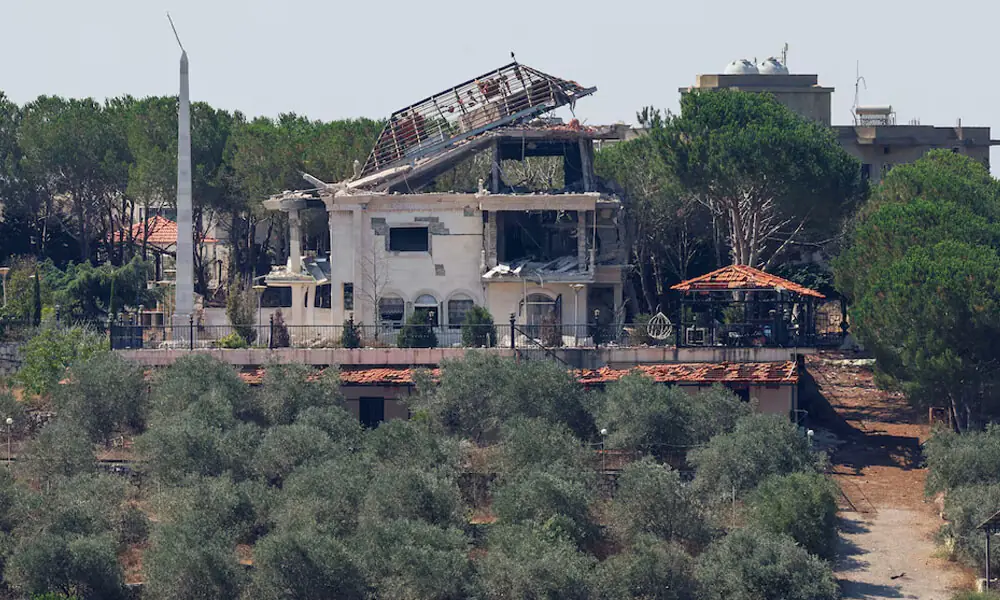
Despite a ceasefire that came into force last month, controlled demolitions of homes in southern Lebanon continue, according to Lebanese security sources. Tens of thousands of people remain displaced due to ongoing occupation and destruction by Israeli troops or the presence of unexploded ordnance.
Israeli officials maintain their buffer zone along the border with Lebanon, describing it as necessary for protecting northern communities from attacks by Hezbollah. However, they have stated that they will remain in southern Lebanon only if Hezbollah remains armed. Hezbollah has rejected direct talks with Israel and refused to fully disarm.
During his first official trip to Washington, Lebanese President Joseph Aoun emphasized the potential of Israeli withdrawal from Lebanon as a way to remove “the root cause” that Hezbollah uses to justify its existence. He stated that such an action could pave the way for Hezbollah’s full disarmament.