Key Takeaways
- Muhammad Aurangzeb, Finance Minister, addressed the Banking Summit 2026 in Karachi.
- The summit focused on banking sector reforms and future prospects.
- No specific details of the minister's speech were provided.
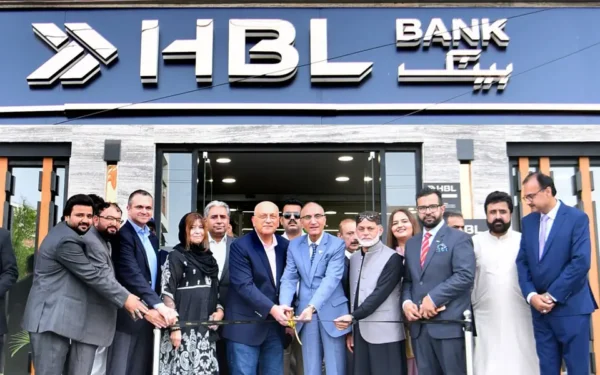
Muhammad Aurangzeb, Pakistan’s Finance Minister, delivered a keynote address at the Banking Summit 2026 in Karachi. The event, which brought together key stakeholders from the banking sector, aimed to discuss ongoing reforms and future prospects for the industry.
During his speech, Aurangzeb highlighted the importance of robust regulatory frameworks and emphasized the need for enhanced digitalization efforts within banks. He also underscored the government’s commitment to fostering a conducive environment for financial institutions to thrive in an increasingly competitive market.
The summit, which took place on July 7, 2026, saw participation from leading bankers, policymakers, and industry experts who engaged in discussions centered around emerging trends and challenges faced by the sector. The event was expected to provide valuable insights into how the banking landscape is evolving in response to global economic shifts.
While the minister’s speech did not delve into specific policy measures or financial figures, it set a tone of optimism for the future of Pakistan’s banking industry. His remarks were part of a broader strategy to strengthen the country’s financial sector and ensure its resilience against external shocks.
The Banking Summit 2026 was organized by the National Bankers Association (NBA) in collaboration with the State Bank of Pakistan (SBP). The NBA, which represents major commercial banks, expressed satisfaction with the minister's address, stating that it provided a clear roadmap for future initiatives.
Meanwhile, developments in the Middle East have cast a shadow over regional stability. On July 7, 2026, US military strikes against Iran prompted retaliatory attacks from Iran on Kuwait and Bahrain. The strikes were carried out following incidents where three tankers were hit by projectiles in the Strait of Hormuz.
The conflict has significant implications for global oil markets. Oil prices rose sharply after the US launched fresh strikes against Iran, with Brent crude futures increasing by 1%, reaching $78.8 per barrel, and U.S. West Texas Intermediate crude rising to $74.26 per barrel. Analysts warned that heightened tensions could disrupt shipping through the Strait of Hormuz, a critical chokepoint for one-fifth of pre-war global oil supplies.
The US military’s actions were described as part of efforts to maintain open traffic in the Strait of Hormuz, which has been under threat due to ongoing hostilities. The attacks rattled several cities along Iran's southern coast and left some areas without power. In response, Iran launched retaliatory strikes on U.S. military sites in Bahrain and Kuwait.
These events underscore the complex geopolitical landscape that continues to impact regional stability and global economic conditions. As Pakistan navigates these challenges, the Finance Minister’s address at the Banking Summit 2026 serves as a reminder of the critical role played by financial institutions in maintaining national economic resilience.