Key Takeaways
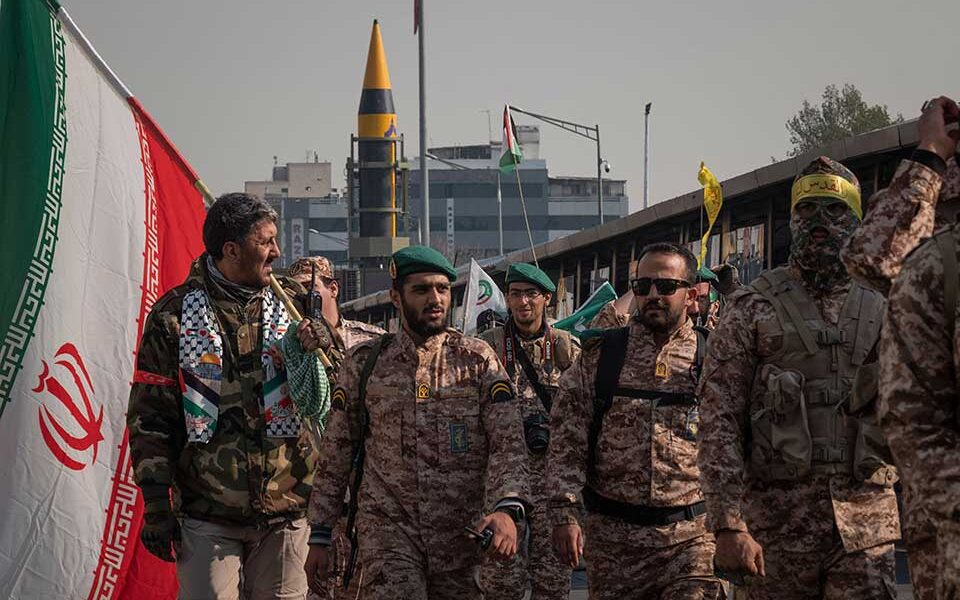
- Supporting Iran’s Islamic Revolutionary Guard Corps (IRGC) now carries a 14-year prison sentence.
- The UK Home Secretary, Shabana Mahmood, announced the new measures to combat foreign interference.
- IMCR and Volunteer Corps have also been designated under similar legislation.
The United Kingdom has introduced stringent legal measures against individuals supporting Iran’s Islamic Revolutionary Guard Corps (IRGC), with a maximum jail term of 14 years. This move, announced by UK Home Secretary Shabana Mahmood, aims to strengthen the country's response to espionage and foreign interference.
According to BBC reports, the new legislation extends beyond direct support to include any form of assistance or endorsement for the IRGC. The government has also designated two additional groups—IMCR and Volunteer Corps—as entities linked to state-backed hostile activities, placing them under similar scrutiny.
Mahmood stated that these measures are part of a broader strategy to combat foreign interference and espionage. 'These new powers will enable us to investigate and prosecute individuals who support IRGC or other foreign outfits,' she said in a statement. The legislation grants police and intelligence agencies enhanced powers to probe such activities, removing the need for prosecutors to prove a direct connection to a foreign state.
The Home Secretary’s announcement comes at a time when tensions between the UK and Iran remain high due to ongoing disputes over nuclear proliferation and regional security concerns. 'This is an important step in safeguarding our national interests,' Mahmood added, emphasizing the government's commitment to protecting against hostile activities.
Under the new rules, individuals found guilty of supporting IRGC could face severe penalties, including lengthy prison sentences. The legislation also removes the requirement for prosecutors to establish a direct foreign-state connection in certain offences, making it easier to pursue cases involving state-backed entities.
The designation of IMCR and Volunteer Corps under this legislation highlights the UK's broader approach to addressing threats from both Iran and Russia. These groups are linked to Russia’s military intelligence agency (GRU), further complicating efforts to combat foreign interference in the region.
While the new measures have been welcomed by some as a necessary step, others have raised concerns about potential overreach and infringement on civil liberties. 'We must ensure that these powers are used responsibly and proportionately,' said a senior legal advisor who wished to remain anonymous.
'These new powers will enable us to investigate and prosecute individuals who support IRGC or other foreign outfits.'
Shabana Mahmood, UK Home Secretary