Key Takeaways
- Pakistan has completed its first marine bunkering operation at Gwadar Port.
- The operation involved supplying 2,500 metric tons of VLSFO to an international vessel.
- This marks Pakistan’s expansion into a regional marine fuel supplier.
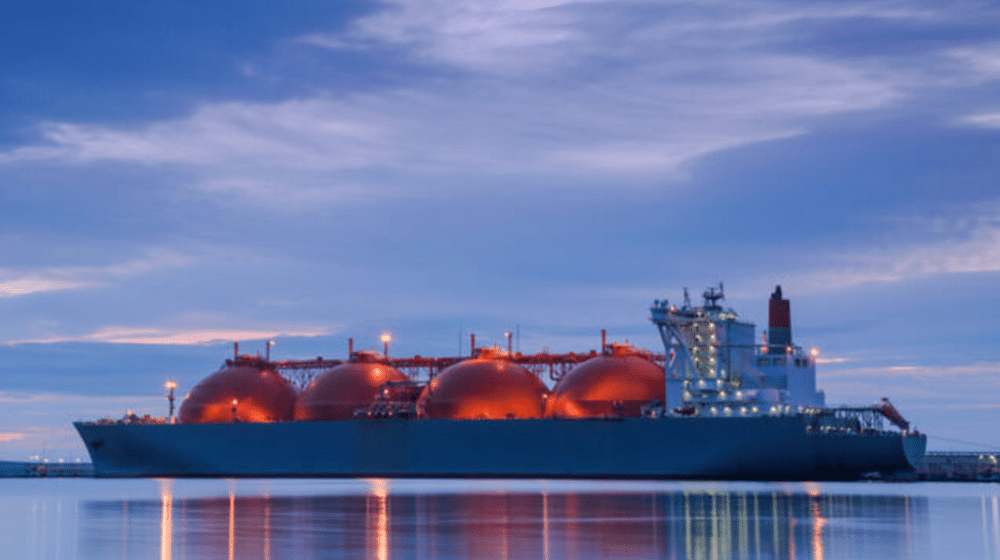
Pakistan has successfully initiated its first marine bunkering operation at the Gwadar Port, marking a significant step in expanding the country's maritime logistics and energy capabilities. During this operation, an international LNG vessel, the LNG ENUGU, received 2,500 metric tons of Very Low Sulfur Fuel Oil (VLSFO) produced by Cnergyico PK Limited, adhering to International Maritime Organization (IMO) standards.
The bunkering was carried out in collaboration with global energy company Vitol through its bunker barge Marine Ista and the National Logistics Corporation (NLC). This development signifies that Pakistan now offers internationally compliant marine fuel services at Karachi Port, Port Qasim, and Gwadar Port. The operations are conducted under the Pakistan Single Window framework and electronic customs marine bunkering rules, ensuring a standardized and internationally certified fuel supply network for commercial shipping.
Officials stated that this move strengthens Pakistan’s position as a regional marine fuel supplier and reduces its reliance on established bunkering hubs such as Fujairah and Singapore. The operation is particularly significant as it marks the first time an ocean-going commercial vessel has received bunkering services at Gwadar, thereby expanding the country's maritime logistics and energy infrastructure.
The successful completion of this operation underscores Pakistan’s commitment to enhancing its port facilities and supporting international shipping activities. It also highlights the potential for Gwadar Port to become a key player in regional trade and energy supply chains. With these new services, ships can now refuel at multiple Pakistani ports, providing greater flexibility and efficiency to maritime operations.
The development is expected to attract more international vessels to use Pakistan’s ports, thereby boosting local industries such as shipbuilding and repair services. It also opens up opportunities for collaboration with other regional countries looking to enhance their own port facilities and fuel supply networks.