Key Takeaways
- The Benazir Income Support Programme (BISP) has extended its partnership with United Nations agencies.
- The renewed agreement aims to protect an additional 3.3 million women and children from malnutrition.
- This extension will run for another three years.
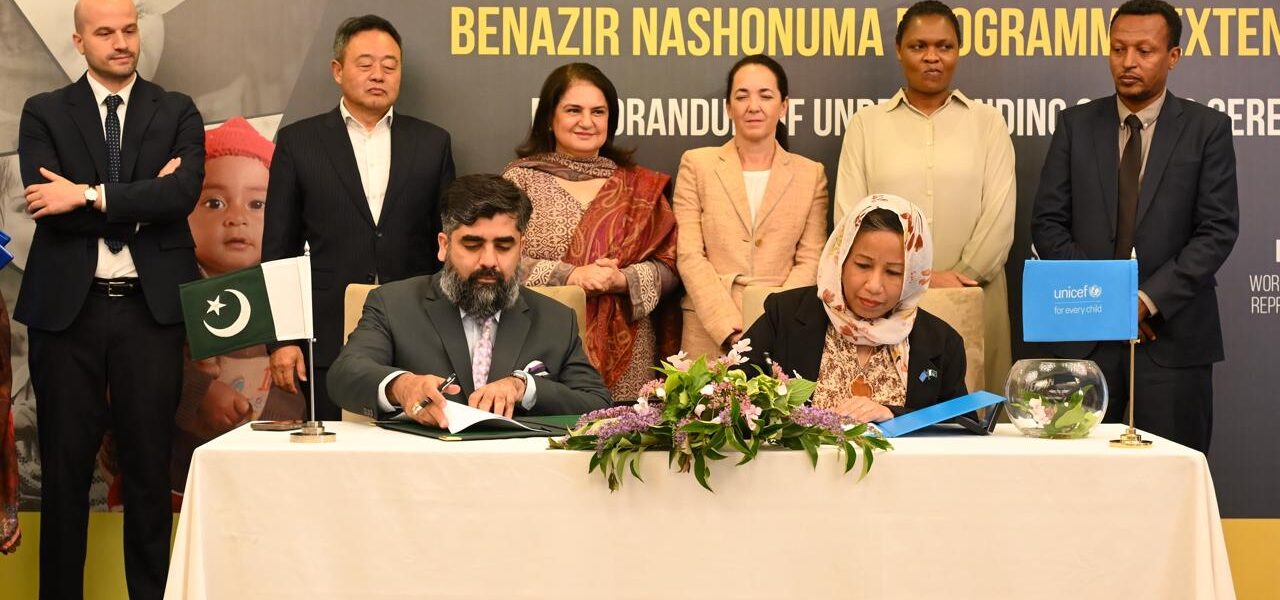
The Benazir Income Support Programme (BISP), in collaboration with various United Nations agencies, has extended its partnership to continue efforts aimed at protecting an additional 3.3 million women and children from malnutrition across Pakistan.
According to the official statement released by BISP, this renewed agreement will run for a period of three years, ensuring sustained support for those most vulnerable to nutritional deficiencies.
The collaboration between BISP and UN agencies is part of the broader Benazir Nashonuma Programme, which has been instrumental in addressing malnutrition issues among the underprivileged sections of society. The programme focuses on providing essential nutrition support through various interventions such as food vouchers, cash transfers, and health education.
Speaking to reporters, a spokesperson for BISP highlighted the importance of this partnership: 'The extension of our collaboration with UN agencies is crucial in ensuring that we can continue to provide critical nutritional support to those who need it most. Together, we aim to make significant strides in reducing malnutrition rates among women and children.'
Under the renewed agreement, both BISP and the UN agencies will work closely to identify high-risk areas and implement targeted interventions. This includes distributing food packages, providing health check-ups, and offering nutritional education to mothers and caregivers.
The spokesperson further elaborated on the expected outcomes: 'Our goal is not only to address immediate nutritional needs but also to empower communities with knowledge and resources that will help prevent malnutrition in the long term.'
This partnership underscores BISP's commitment to addressing social issues through collaborative efforts. The programme has already shown positive results, with a significant reduction in malnutrition rates among beneficiaries since its inception.
The extension of this agreement is seen as a step towards achieving the Sustainable Development Goals (SDGs) related to ending hunger and ensuring good health and well-being for all.
'The extension of our collaboration with UN agencies is crucial in ensuring that we can continue to provide critical nutritional support to those who need it most.'
BISP spokesperson, Spokesperson, BISP