Key Takeaways
- Petrol price increased to Rs310.71 per litre.
- Diesel price raised to Rs323.30 per litre.
- New rates effective from July 11, 2026.
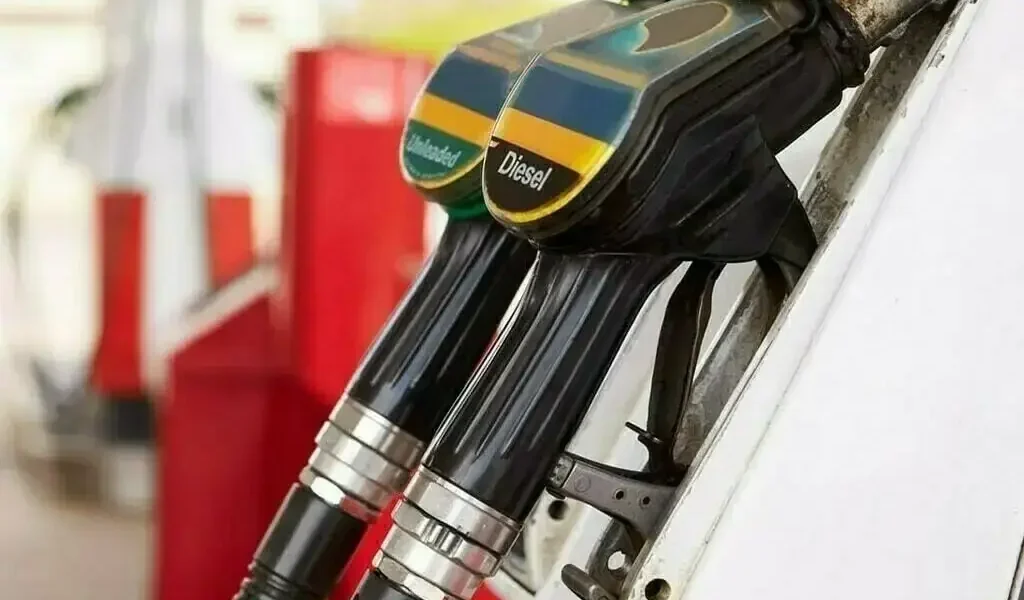
The Pakistan government has announced a significant increase in the prices of petrol and diesel, effective from July 11, 2026. The new rates are set at Rs310.71 per litre for petrol and Rs323.30 per litre for diesel, marking an increase of over Rs13 per litre for both fuels.
According to a notification from the Petroleum Division, the price of Motor Spirit (petrol) was increased by Rs13.18 per litre to Rs310.17 per litre. The price of high-speed diesel saw a rise of Rs13.80 per litre to Rs323.30 per litre.

This adjustment follows a previous reduction in prices, where the federal government had lowered petrol and diesel rates by Rs1.97 per litre each, bringing them down to Rs297.53 per litre for petrol and Rs309.50 per litre for diesel.
The decision comes amidst fluctuating global oil prices. While there was a brief drop in international crude prices due to hopes of resumed shipping in the Strait of Hormuz following recent US-Iran tensions, Brent futures closed down 0.68% at $75.78 per barrel and WTI dropped 1.15% to $71.25 by midday on Friday.
The government's move is expected to impact daily life for Pakistanis, particularly those who rely heavily on petrol and diesel for transportation and business operations. The increase in fuel prices could also have broader economic implications, affecting inflation rates and consumer spending power.
Traders remain optimistic about the long-term outlook of oil markets, with Brent futures set to gain around 5.13% and WTI up by approximately 3.76% for the week. However, the immediate impact on Pakistan's economy remains a concern as the country continues to grapple with rising costs and economic challenges.
The decision to raise fuel prices is part of ongoing efforts to address fiscal imbalances and reduce government subsidies. While the move is necessary from an economic standpoint, it may also lead to public discontent and calls for alternative measures to mitigate the impact on consumers.