Key Takeaways
- More than 800 wildfires are currently burning across Canada.
- Thick smoke has created hazardous air quality in parts of Canada and several US states.
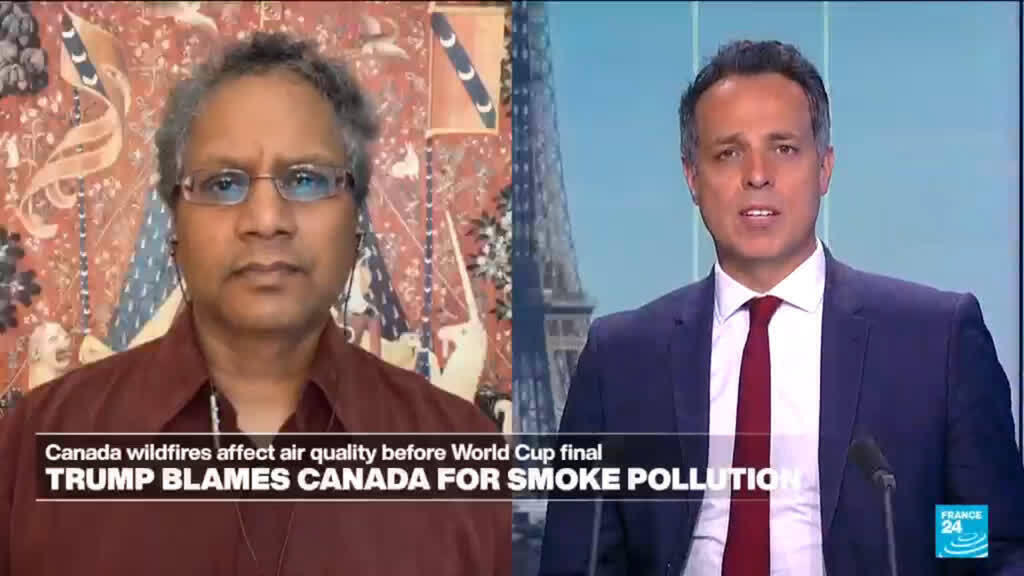
- Donald Trump has blamed Canada for its forest management.
Over 800 wildfires are raging across Canada, with nearly 190 active fires reported in northern Ontario. The surge in these fires is largely attributed to climate change, according to reports. This environmental crisis has led to thick smoke that has spread hazardous air quality not only within Canada but also into several US states including Minnesota, Illinois, Michigan and New York.
The impact of this natural disaster extends beyond just the affected regions; it poses a significant challenge for international sporting events scheduled in these areas. The World Cup final is one such event that may be impacted by the poor air quality caused by the wildfires. Athletes and spectators alike are advised to take necessary precautions, including wearing masks and limiting outdoor activities.
In response to the situation, Donald Trump has publicly blamed Canada for its forest management practices, stating that these methods contribute significantly to the current crisis. He has even threatened additional tariffs as a form of economic pressure on Canada. However, Canadian officials have not yet commented on this threat or taken any official stance in public forums.
Environmental experts warn that the air quality could worsen if the wildfires continue to spread and intensify. This poses serious health risks for residents and visitors alike, particularly those with respiratory issues. The World Health Organization (WHO) has issued guidelines recommending people stay indoors as much as possible and avoid strenuous activities outdoors.
The Canadian government is working closely with local authorities and international organizations to manage the situation. Efforts include deploying firefighting resources and implementing strict fire prevention measures in affected areas. However, these efforts are hampered by the scale of the problem, which has been exacerbated by prolonged drought conditions and high temperatures.
Athletes participating in the World Cup final have expressed concerns about the air quality. Many have stated that they will follow health advisories closely to ensure their safety during the event. The organizing committee is also considering contingency plans to mitigate any potential disruptions caused by poor air quality, including rescheduling matches if necessary.
The situation highlights the urgent need for global cooperation in addressing climate change and its devastating effects on public health and infrastructure. While the immediate focus remains on managing the wildfires and protecting public health, long-term solutions are essential to prevent such crises from recurring.