Key Takeaways
- Thousands of government schools in Punjab lack the necessary technology for AI education.
- The rollout has been delayed due to insufficient computer labs, internet access and trained teachers.
- Officials consider integrating basic AI concepts into existing subjects as a temporary solution.
Punjab’s ambitious plan to introduce artificial intelligence (AI) education in primary schools from Grade I to V faces significant delays due to the lack of essential technology, according to reports. The Punjab Education Curriculum, Training and Assessment Authority (PECTAA) has completed the academic framework for AI classes but is awaiting formal notification to proceed with textbook preparation, printing, and classroom planning.
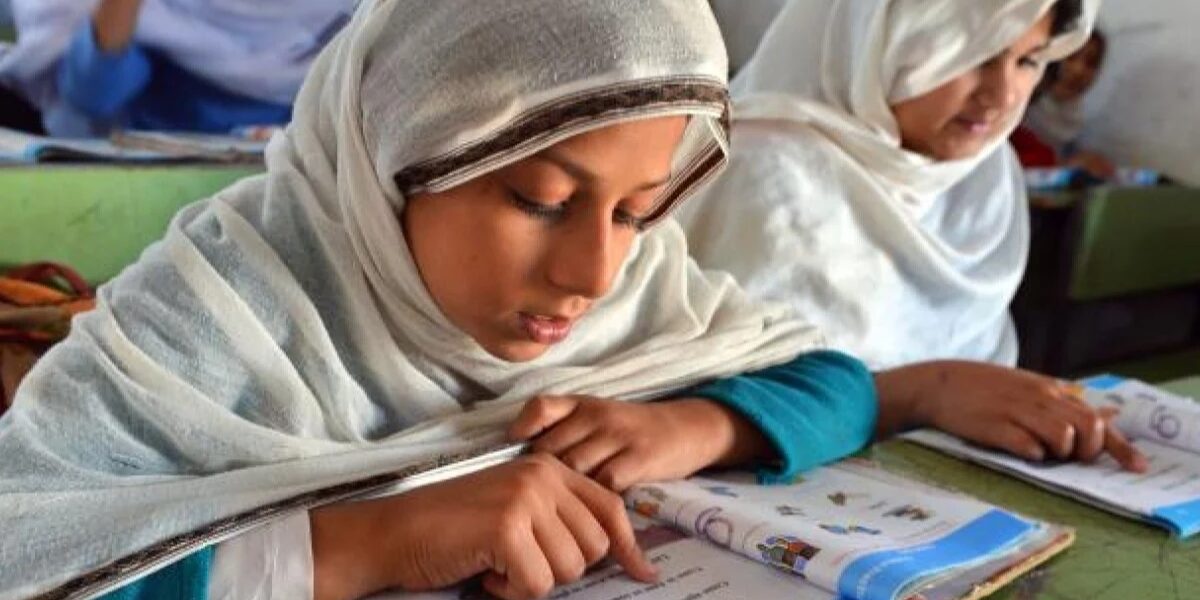
A July report highlighted that government primary schools are struggling with basic infrastructure issues such as computer labs, internet access, and reliable electricity. Many rural schools do not have computer laboratories, and students in these areas have never used a computer. Weak internet connectivity further complicates the situation, making it challenging to implement technology-based learning.
Funding is another critical hurdle. Equipping thousands of schools with necessary infrastructure would require substantial investment, which has made an immediate province-wide rollout difficult. Officials are considering introducing basic AI concepts through existing subjects during the first phase as a temporary measure until infrastructure improvements can be made gradually.
Teacher training remains a major concern. Tahira Jabeen, a government primary-school teacher, warns that without proper preparation, AI education could become theoretical rather than meaningful learning. She emphasizes the need for professional training in AI, computational thinking, and digital technologies to ensure effective teaching of these subjects.
Education experts argue that AI education for younger students should focus on logical reasoning, creativity, problem-solving, and responsible technology use. However, this approach requires interactive teaching methods, digital devices, and practical activities—resources currently unavailable in many government schools. Punjab has repeatedly included AI in its broader education and digital transformation plans but faces challenges in implementing these initiatives.
PECTAA completed an AI curriculum earlier this year covering areas such as basic computing, data science, machine learning, robotics, and ethical AI. Despite these efforts, the proposed primary-school rollout remains on hold due to pending approval, insufficient infrastructure, and a shortage of trained teachers. The delay has highlighted the gap between the government’s AI ambitions and the current conditions in many public schools.
While Punjab continues to push for AI education, the immediate focus is on addressing infrastructure gaps and preparing teachers adequately. Officials hope that by integrating basic AI concepts into existing subjects, they can begin teaching digital concepts while gradually improving school infrastructure.