Key Takeaways
- The Supreme Court of Pakistan has ruled that tribal customs cannot deny women their lawful inheritance.
- The court declared such practices illegal and contrary to both Islamic law and the Constitution.
- In a landmark decision, the court reaffirmed women's rights under Islamic inheritance laws.
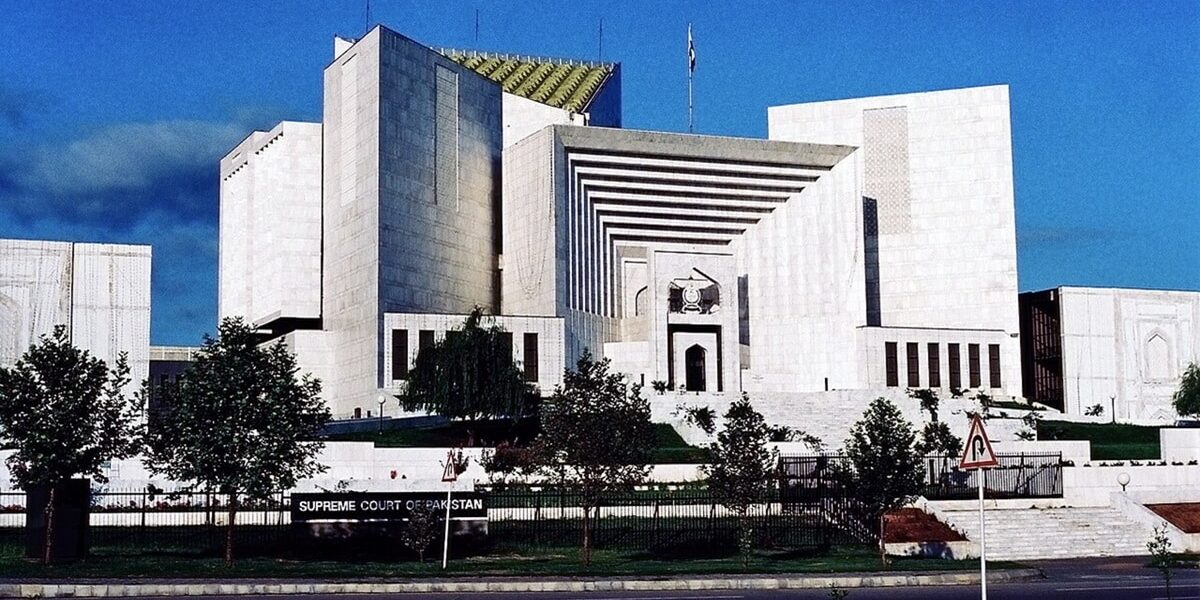
The Supreme Court of Pakistan has issued a ruling that tribal customs cannot deprive women of their lawful inheritance. The verdict, delivered in a dispute over Mithi Khan’s inherited property, upholds the Balochistan High Court’s decision and reaffirms the legal rights of women under Islamic law.
Justice Irfan Saadat Khan authored the judgment, which explicitly states that no tribal custom or jirga has the authority to override inheritance rights granted by the Holy Quran and Sunnah. The court emphasized that denying daughters their rightful share of inheritance violates both Shariah and Pakistan’s legal framework.
In its ruling, the Supreme Court dismissed an appeal against a decision made in favor of Mithi Khan's rightful heirs. It ordered that inherited property must be distributed strictly according to Islamic law, ensuring women receive their prescribed shares without interference from tribal or customary practices.
The court also addressed fraudulent property transfers, declaring them invalid and stating that ownership obtained through such means creates no legal rights. This ruling aims to protect the interests of rightful heirs against unlawful deprivation of inheritance.
Justice Saadat Khan’s judgment further clarified that entries in revenue records are not conclusive proof of ownership if they are based on fraudulent transfers. The court emphasized the importance of adhering strictly to Islamic inheritance laws, reinforcing legal protections for women against any form of discrimination or injustice.
This landmark decision is significant as it seeks to dismantle long-standing tribal customs and jirga decisions that have historically denied women their rightful share in inherited property. By upholding these rights, the Supreme Court aims to ensure equality under the law and protect the constitutional rights of all citizens.