Key Takeaways
- The Senate Standing Committee on Cabinet Secretariat directed the Pakistan Telecommunication Authority (PTA) to finalise a uniform eSIM transfer policy.
- The committee also sought enhanced consumer protection and reforms in telecom regulation, while accelerating 5G deployment.
- PTA is working towards allowing consumers to transfer eSIMs up to ten times through QR codes free of cost.
The Senate Standing Committee on Cabinet Secretariat has directed the Pakistan Telecommunication Authority (PTA) to finalise a uniform policy for electronic SIM (eSIM) transfers, according to a statement from Business Recorder. The committee also called for accelerated nationwide 5G deployment and improved mobile network coverage.
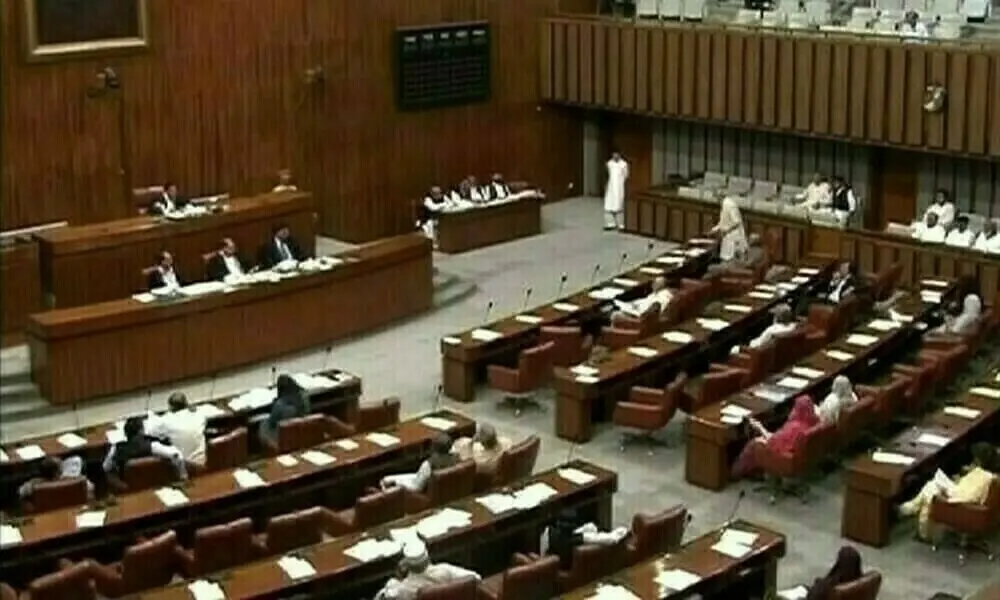
During the meeting held on Thursday with Senator Rana Mahmood Ul Hassan in chairmanship, the committee reviewed various issues including restrictions on eSIM transfers, the rollout of 5G services, and mobile network quality and coverage on highways. The PTA Chairman informed that telecom operators currently follow different policies, allowing only limited eSIM transfers.
The committee expressed concern over increasing consolidation in the telecom sector, warning that mergers could reduce competition and ultimately affect consumers. However, the PTA maintained that the telecom sector remains deregulated and competitive, adding that increased competition is expected to reduce eSIM-related costs in the future.
Committee Chairman directed the PTA to ensure healthy competition so that consumers continue to receive affordable and quality services. The committee also received a detailed briefing from the PTA on the transfer of eSIMs from one mobile device to another. According to the PTA, they are finalizing a uniform policy under which consumers will be able to transfer eSIMs up to ten times through QR codes free of cost.
Members expressed concern over increasing consolidation in the telecom sector and warned that mergers could reduce competition and ultimately affect consumers. The PTA maintained that the telecom sector remains deregulated and competitive, adding that increased competition is expected to reduce eSIM-related costs in the future.
The committee also directed the Oil and Gas Regulatory Authority (OGRA) to adopt modern smart metering systems to curb gas leakages, strengthen consumer protection, and address administrative deficiencies within SNGPL. The OGRA clarified that responsibility for leakage of metered gas rests with consumers. However, the Committee emphasized stronger consumer protection measures and directed OGRA to promote modern technologies, including smart metering systems, to reduce leakages and eliminate unnecessary hardships faced by consumers.
On the rollout of 5G services, the committee welcomed progress following the spectrum auction and appreciated efforts aimed at improving digital connectivity. The PTA informed that 499 5G sites have so far been deployed under licensing requirements and that telecom operators expect visible 5G coverage across major areas by the end of the current year.
The migration of users to 5G is also expected to significantly improve the quality of mobile network services. Members, however, sought clarification regarding reports of mobile tower sales and stressed that expansion of telecom infrastructure should not compromise the property rights of citizens.