Key Takeaways
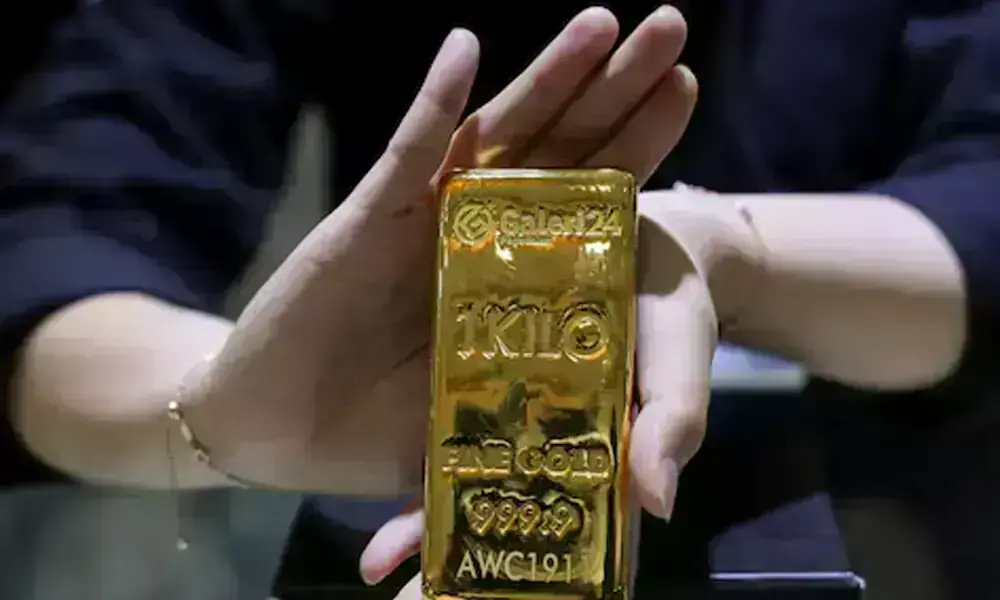
- Spot gold dropped over 1% to $4,059.11 per ounce.
- Oil prices increased by about 4% due to fears of Strait of Hormuz closure.
- Traders expect a 72% chance of U.S. Fed interest rate hike in September.
Gold prices experienced a significant decline on Monday, dropping over 1% to $4,059.11 per ounce by 0356 GMT. This downturn was driven by heightened tensions in the Strait of Hormuz, where U.S. and Iranian forces have engaged in heavy missile and drone assaults, with Tehran claiming it had closed the vital waterway again.
The closure fears prompted a sharp rise in oil prices, which surged about 4%, impacting global markets. The dollar and U.S. Treasury yields also climbed, while share markets in Asia experienced a slight decline.
Nicholas Frappell, Global Head of Institutional Markets at ABC Refinery, commented on the situation: 'Any breakout of violence in the Gulf is accompanied by pressure on gold.' He added that if the Strait of Hormuz remains effectively or partially closed, it could lead to demand destruction and lower economic activity, potentially supporting gold prices over time.
The Federal Reserve’s monetary policy outlook will be closely monitored this week. Kevin Warsh’s first semiannual testimony as Federal Reserve chair, along with key U.S. economic data such as June CPI, PPI, and retail sales, are expected to provide insights into the economy and inflation. Traders currently anticipate a 72% chance of a September interest rate hike, up from about 63% last week.
In related markets, spot silver declined by 2.9% to $58.14 per ounce, platinum fell 1.8% to $1,598.48, and palladium dropped 2.3% to $1,247.27. These fluctuations reflect the broader market sentiment influenced by geopolitical tensions in the Middle East.
The ongoing hostilities between U.S. and Iranian forces have raised concerns about potential supply disruptions through the Strait of Hormuz, a critical route for global oil trade. Analysts are closely watching developments to assess their impact on both gold and energy markets.
As the situation remains volatile, investors are advised to stay informed about any further developments in the region that could affect market dynamics.
'Any breakout of violence in the Gulf is accompanied by pressure on gold.'
Nicholas Frappell, Global Head of Institutional Markets at ABC Refinery