Key Takeaways
- The government borrowed Rs5.9 trillion from banks during fiscal year 2026.
- Daily borrowing averaged Rs16.4 billion per day, with corporate sector also investing in government papers.
- Debt servicing for FY27 is expected to consume 50% of the total budget outlay.
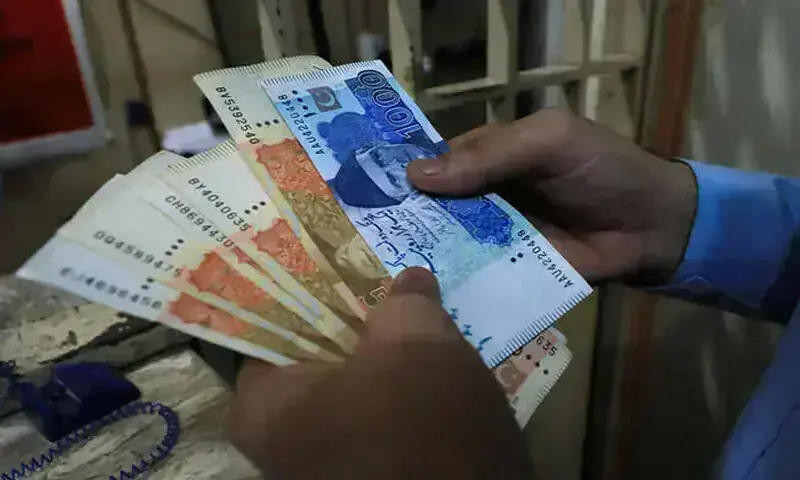
The government has been relying heavily on borrowings from banks, according to State Bank of Pakistan (SBP) data. In fiscal year 2026, it borrowed Rs5.9 trillion, marking a significant increase from the previous year’s Rs5.4 trillion.
On average, the government borrowed about Rs500 billion per month during FY26, with daily borrowing reaching Rs16.4 billion. This figure is concerning as it highlights the extent of reliance on bank borrowings to fund government operations.
Corporate sector investments in government papers also contribute significantly, accounting for approximately 25% of total investment. These investments provide banks with risk-free returns, contributing to their profitability.
The aggressive borrowing has led to a substantial increase in domestic debt. The SBP data further indicates that servicing this debt will consume 50% of the total budget outlay for fiscal year 2027, amounting to Rs8 trillion. This leaves limited funds available for other critical areas such as poverty alleviation and social development programs.
Finance minister, who is a former banker, did not attempt to reduce this massive borrowing despite its implications on national finances. The situation is so dire that while the government plans to spend Rs8 trillion on debt servicing, it will only allocate Rs1 trillion for the Pakistan Social and Cultural Development Programme (PSDP) to address the needs of 250 million people.
The reliance on borrowings has raised concerns about fiscal sustainability and the potential impact on economic stability. Analysts warn that continued high borrowing could lead to inflationary pressures and reduced investment in productive sectors.
Experts suggest diversifying funding sources and implementing measures to reduce overall expenditure as a way forward. However, with current trends, the government’s borrowing habits appear set to continue, potentially exacerbating existing financial challenges.