Key Takeaways
- PM Shehbaz Sharif chaired a meeting to review the 100MW solar energy project in Gilgit-Baltistan.
- The 82MW utility-scale component has been submitted to ECNEC for approval.
- A 18MW rooftop system with battery storage is planned for installation on government buildings.
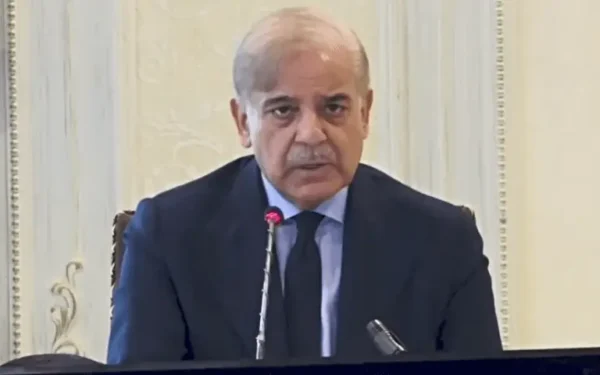
Prime Minister Shehbaz Sharif chaired a high-level review meeting on the 100-megawatt (MW) solar energy project in Gilgit-Baltistan, where he was informed that the PC-1 for the 82MW utility-scale solar component has been formally submitted to the Executive Committee of the National Economic Council (ECNEC) for approval.
The 82MW solar project is expected to benefit approximately 1.3 million people and significantly reduce load shedding in the region, according to official statements. During the meeting, PM Sharif underscored the national importance of promoting solar energy as a key component for environmentally friendly, clean, affordable, and sustainable power.
He termed the 100MW solar initiative a 'gift from the federal government to the people of Gilgit-Baltistan' and directed the Power Division to ensure its timely installation and completion. The PM also emphasized the necessity of complete transparency in the procurement process for the solar project, directing that all payments be made only after thorough third-party validation.
During the briefing, officials provided an update on the project. In addition to the 82MW utility-scale component, an 18MW solar system, complete with battery storage, is slated for installation on the roofs of 499 government buildings across Gilgit-Baltistan by December. This aims to further enhance service quality and contribute to the region’s energy self-sufficiency.
The meeting was attended by Federal Minister for Power Division Sardar Awais Leghari, Minister of State for Finance and Railways Bilal Azhar Kayani, and other relevant senior government officials. In September 2025, PM Shehbaz approved a plan to use confiscated solar panels for public power projects in Gilgit-Baltistan, with 100MW capacity specifically for distributed solar photovoltaic projects across remote sites in GB.
The initiative is part of the broader strategy to promote renewable energy and reduce dependency on conventional sources. The government’s focus on transparency and accountability in the procurement process reflects its commitment to sustainable development and improved living standards in Gilgit-Baltistan.