Key Takeaways
- John Healey, a veteran Labour MP and former defence secretary, is appointed as the new finance minister.
- Ed Miliband, a former Labour leader, takes on the role of foreign secretary.
- Wes Streeting, a novice to the Defence Secretary position, replaces Shabana Mahmood in the cabinet.
Andy Burnham held his first meeting with his newly reshaped cabinet on Tuesday, marking a significant shift in Britain’s political landscape. The prime minister appointed several prominent Labour politicians to key positions, including John Healey as the new finance minister and Ed Miliband as foreign secretary.
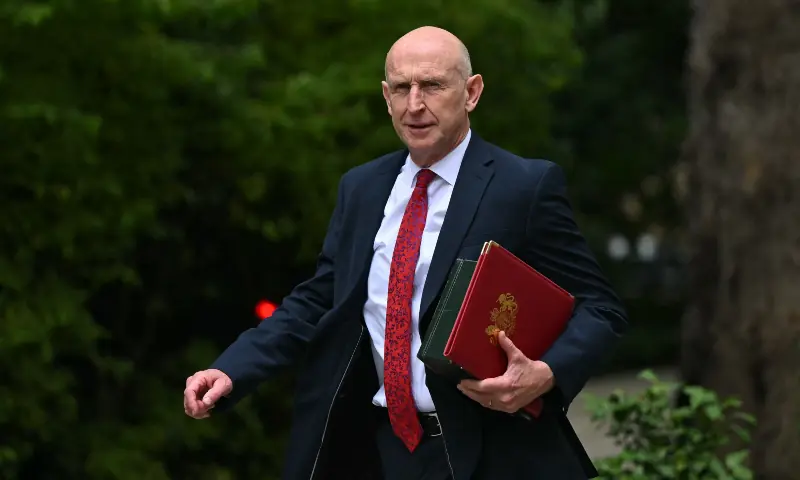
John Healey, who previously served as defence secretary before quitting over a funding dispute, has returned to his old role with renewed responsibilities. As he arrives at Downing Street for the cabinet meeting on July 21, 2026, Healey is expected to focus on military infrastructure and maintaining tough responses to Russian aggression.
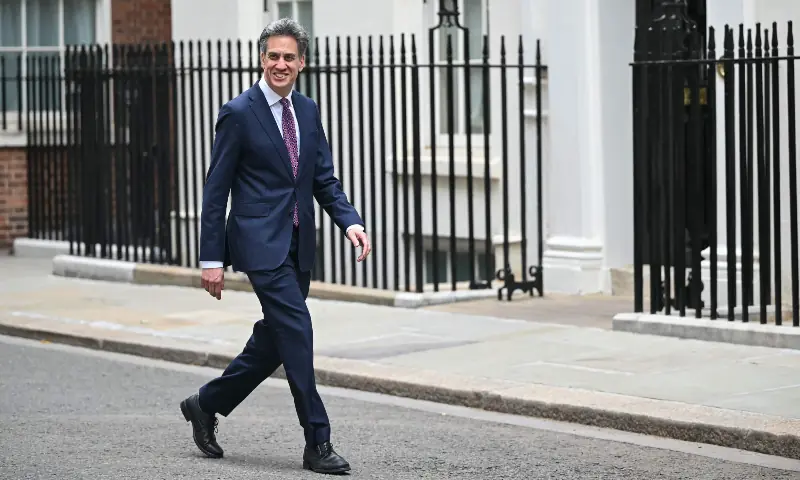
Ed Miliband, who previously led Labour in opposition before stepping down in 2015, has been rewarded with a high-profile position. His appointment as foreign secretary comes after serving as energy security minister under Keir Starmer’s leadership for two years. Despite facing criticism and rumors about his potential finance ministry role, Miliband is now tasked with overseeing Britain's international relations.
Wes Streeting, who quit the health minister post in May due to a lack of confidence in Starmer, has been named as the new Defence Secretary. His appointment has sparked controversy, with former Conservative defence secretary Ben Wallace writing on X that it showed 'contempt for Defence.' Despite these criticisms, Streeting vows to ensure armed forces have the resources they need.
Shabana Mahmood, who held the position of Home Secretary, is no longer part of the cabinet. Her departure follows Burnham’s reshuffle, which saw several senior figures removed and new positions offered to trusted Labour politicians.
The reshuffle reflects a significant change in Britain's political dynamics under Andy Burnham’s leadership. His appointments are seen as an attempt to bring fresh talent into key roles while maintaining loyalty within the party.
Burnham’s cabinet changes come after his victory over Keir Starmer, who was the previous leader of the Labour Party. The reshuffle is expected to have implications for Britain's domestic and international policies in the coming months.