Key Takeaways
- Pakistan is transitioning from traditional machine-readable passports to fully digital e-passports.
- The new system allows citizens to apply for passports online and receive them at home.
- Enhanced security features include laser engraving technology and digital certificates.
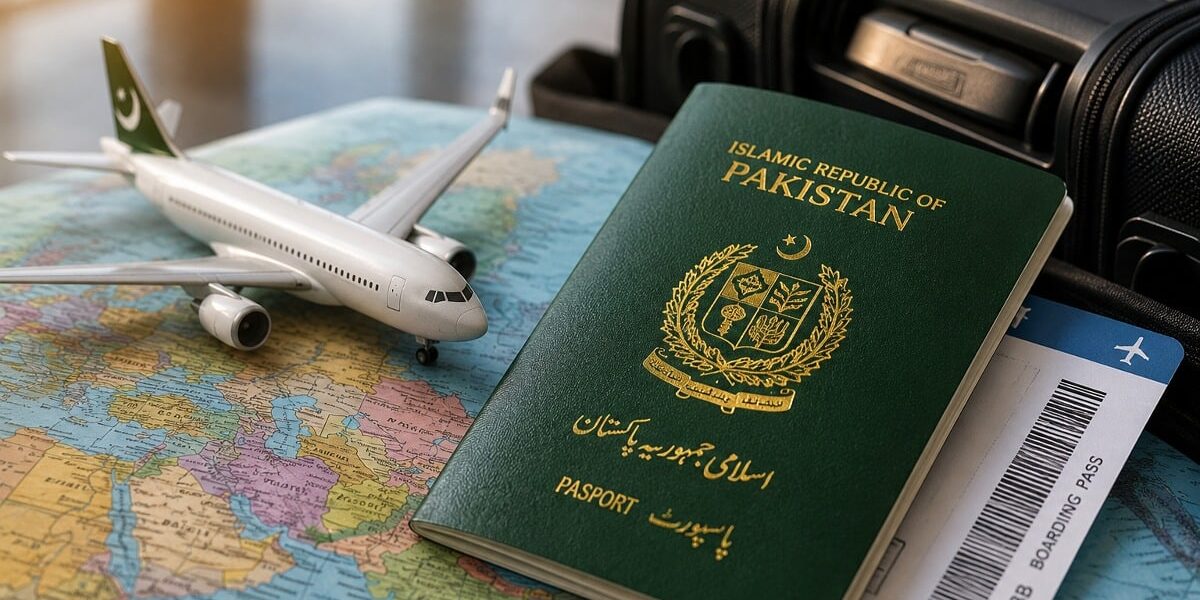
Pakistan has announced plans to gradually replace its traditional machine-readable passports (MRPs) with a fully digital e-passport system, aiming to modernize passport services and simplify the application process through digital technology.
Director General of Passports Muhammad Abdul Khaliq stated that Pakistan introduced its first e-passport in 2022 before upgrading the system in 2025 to meet international standards. The upgraded e-passports feature advanced security measures such as laser engraving and digital security certificates, making them more secure against forgery.
The new system will allow citizens to apply for passports online via a mobile app integrated with NADRA’s Pak ID platform. Applicants can upload photographs and supporting documents, pay fees digitally through mobile banking apps or digital wallets, and receive their passports at home. This streamlined process is expected to significantly reduce the time and effort required for passport applications.
Khaliq explained that while the primary application will be online, applicants who face biometric verification or online submission issues can still complete the process at passport offices or NADRA centers. The government also plans to conduct online interviews where necessary, further enhancing the convenience of the service.
Once Pakistan’s registration with the International Civil Aviation Organization (ICAO) is completed, Pakistani e-passports will gain broader compatibility with e-gates worldwide, allowing faster immigration clearance at international airports and border crossings.
The initiative aims to modernize passport services in line with global standards. According to Khaliq, this move not only enhances security but also improves the efficiency of the application process for citizens. The new system is expected to provide a more user-friendly experience while ensuring that passports remain secure against forgery and unauthorized use.
The government has emphasized that the transition will be gradual, allowing time for citizens to adapt to the new system. While some may face initial challenges, the authorities are committed to providing support and guidance throughout the process.
Pakistan introduced its first e-passport in 2022 before upgrading the system in 2025 to meet international standards.
Director General of Passports Muhammad Abdul Khaliq, Director General of Passports