Key Takeaways
- Shein's stock market debut in Hong Kong saw shares slump by as much as 10%.
- The company, once valued at nearly $100 billion, is now worth just over $26 billion.
- Shein, a fast-fashion retailer, priced its shares at HK$48.56 during its Hong Kong flotation.
Hong Kong-listed fast-fashion retailer Shein saw its shares plummet by as much as 10% on its trading debut, marking a significant drop from its previous valuation. The company, which was once valued at nearly $100 billion, is now worth just over $26 billion.
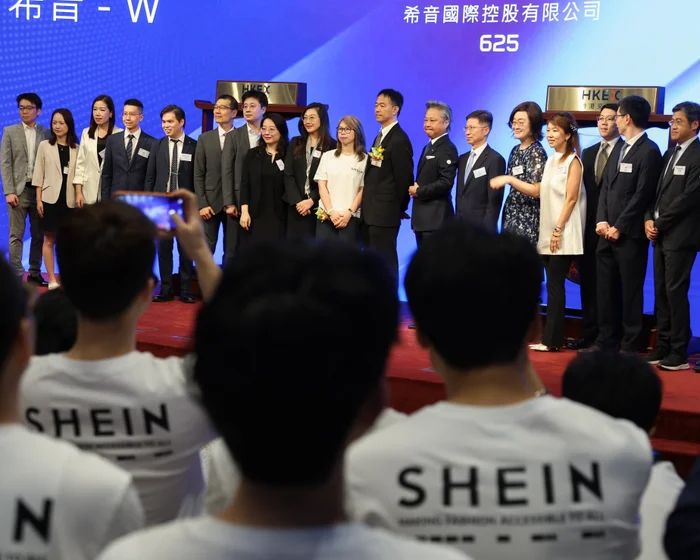
Shein, headquartered in Singapore, made its long-awaited public debut on the Hong Kong stock exchange on Tuesday, pricing its shares at HK$48.56. This valuation represents a substantial decrease from its previous valuation, reflecting market sentiment and investor concerns.
The company's initial public offering (IPO) in the US and UK failed, leading to its decision to list in Hong Kong. The failure to secure a listing in the US and UK has raised questions about Shein's global appeal and financial health.
Despite the initial public offering (IPO) in Hong Kong, Shein's share price has faced significant pressure. The company's shares have experienced a steep decline, indicating a lack of confidence among investors. This decline could have implications for the company's future fundraising and growth strategies.
Shein, known for its rapid production and low-cost clothing, has been a major player in the fast-fashion industry. However, the company's current valuation suggests that market conditions and investor sentiment have shifted, potentially impacting its future operations and expansion plans.
The company's decision to list in Hong Kong, rather than the US or UK, may be seen as a strategic move to tap into the Asian market. However, the initial reaction from investors suggests that the company's global reputation and financial performance may need to be bolstered to regain investor confidence.
Shein's IPO in Hong Kong is part of a broader trend in the fast-fashion industry, where companies are seeking alternative markets and listing options to navigate challenging economic conditions. The company's current situation highlights the volatility and uncertainty in the fast-fashion sector.
As Shein continues to navigate the complexities of the global market, its ability to maintain and grow its customer base will be crucial. The company's future success will depend on its ability to address investor concerns and demonstrate long-term viability.