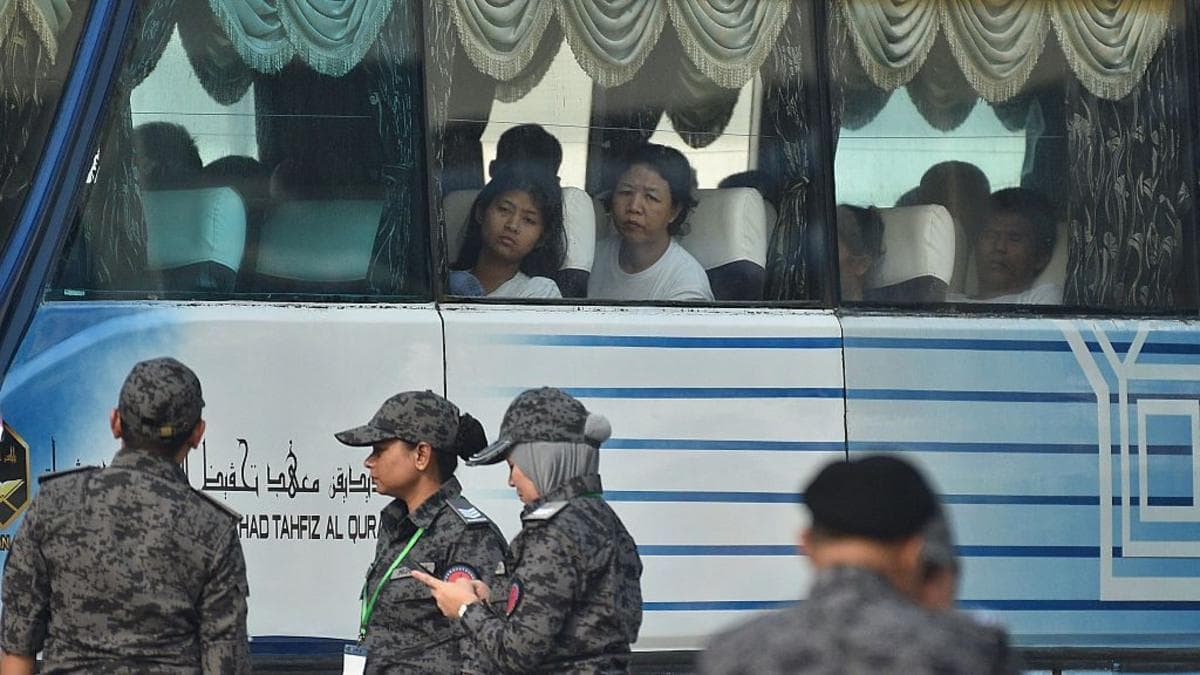
Malaysia commenced the repatriation of approximately 5,000 asylum seekers from Myanmar, with three ships from the Myanmar navy departing on Tuesday carrying the initial 1,476 returnees. Human rights groups have condemned this repatriation effort, warning that the returning individuals risk facing violence, persecution, and forced conscription into the Myanmar army.
Furthermore, Malaysia has reportedly barred the UN refugee agency from observing or screening the returnees. Prime Minister Anwar Ibrahim stated that his actions reflect a response to increasing public hostility directed at the large population of Muslim Rohingyas within Malaysia.
The Prime Minister also asserted that he has no alternative but to negotiate with the Myanmar government regarding the return of the Rohingyas. Historically, the Myanmar military drove three quarters of a million Rohingyas from their homes in Rakhine State into neighbouring Bangladesh in August 2017.
Estimates suggest that over 200,000 Rohingyas currently reside in Malaysia. An online petition on Change.org demanding the expulsion of Rohingyas from Malaysia garnered more than 400,000 signatures.
Regarding the process, Anwar Ibrahim stated, “We can arrest them, but do not beat, intimidate or humiliate them.” Another comment from the Prime Minister suggested, “They have clearly become a burden.”
Latheefa Koya criticised Anwar's decision, calling it “disgraceful, amoral, and shames the nation in the eyes of the international community.” Tricia Yeoh suggested that Anwar is currently “in a corner, at his weakest point.”
Tricia Yeoh further stated that ethnic Malays are reacting to the narrative that they require special state protection and support. Separately, the Arakan Army reported that two bombs killed 49 people at a market in Kyauktaw on Monday.
The state capital Sittwe is currently reported to be besieged and isolated. Nur Sadek advised that refugees only wish to return home if the environment is safe and if they make the choice to do so.