Key Takeaways
- Scientists confirmed that the stones of Devil's Arrows were transported 11 miles by humans.
- The study sheds light on the significant effort required by Neolithic communities.
- This discovery adds to the understanding of prehistoric construction techniques.
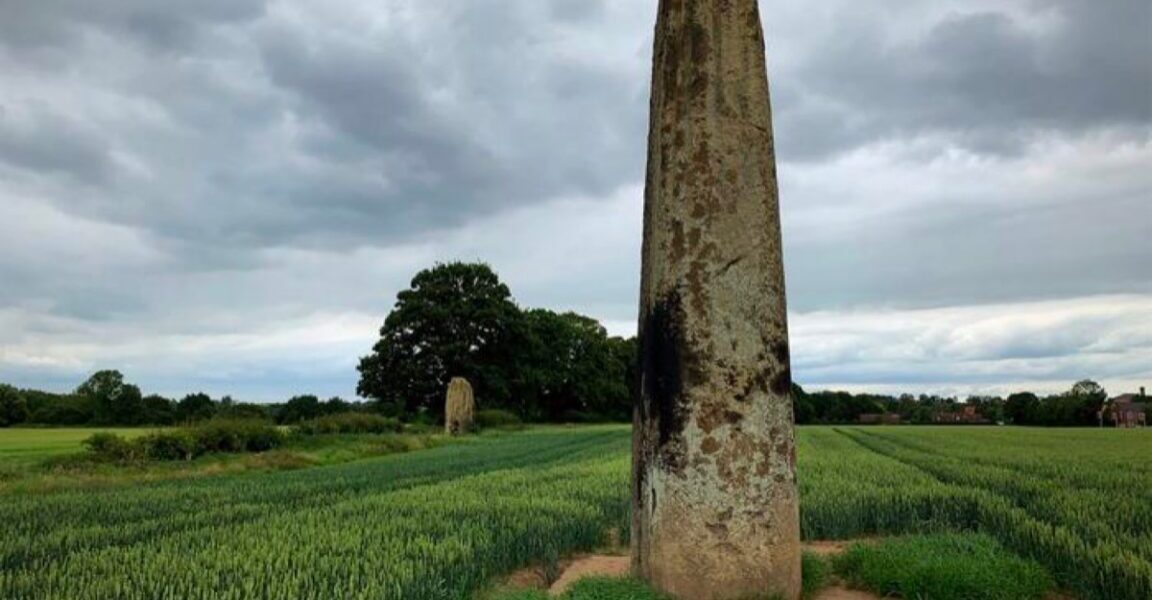
Scientists have confirmed that the stones of the Devil's Arrows, Britain's tallest standing stone alignment, were transported 11 miles by prehistoric builders, according to a paper published in the Proceedings of the Royal Society A.
The research, led by Jim Leary of the University of York, provides new insights into the construction methods of Neolithic communities, which have long been understudied despite their importance.
The Devil's Arrows, located in Yorkshire, stands as a testament to the monumental efforts of prehistoric builders, who moved several 25-ton stones to create a sacred landscape.
This discovery aligns with recent studies that have identified the origins of stones used in other famous megalithic structures, such as Stonehenge, which also required the transportation of stones from distant quarries.
The study highlights the significant distance and effort involved in the construction of these ancient monuments, challenging previous assumptions about the movement of stones by glacial processes.
Leary emphasized the importance of this research, stating, 'We have now proved that Neolithic communities moved several 25-ton stones across Yorkshire, transforming a familiar site into an epic quest to create a sacred landscape.'
The findings contribute to a broader understanding of the capabilities and organization of prehistoric societies, revealing the complex logistical challenges they faced in constructing these monumental structures.
While Stonehenge has received considerable attention, monuments like the Devil's Arrows have remained understudied, despite their significance. This research aims to rectify that imbalance, shedding light on the broader landscape of prehistoric construction in Britain and Ireland.
We have now proved that Neolithic communities moved several 25-ton stones across Yorkshire, transforming a familiar site into an epic quest to create a sacred landscape.
Jim Leary, Co-author, University of York