Key Takeaways
- Petroleum dealers refuse to participate in the government's fuel relief scheme.
- Ministers estimate the scheme could cost Rs25-30bn per month.
- Dealers seek higher margins due to rising costs.
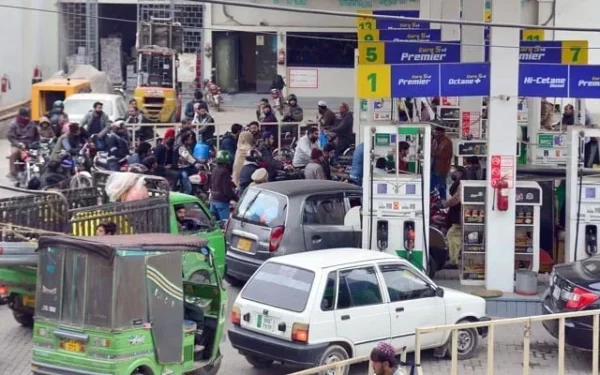
Petroleum dealers in Pakistan have rejected the government's fuel relief scheme, citing a lack of consultation and the need for higher margins to cover increased costs. The scheme, which aims to provide relief to eligible motorists, has been met with resistance from dealers who argue that the government has not adequately addressed their concerns.
The petroleum dealers' association has expressed skepticism about how the government plans to reimburse them for any additional costs incurred. According to the association, the scheme was prepared without their consultation, leading to a lack of clarity on the practical implementation and financial implications.

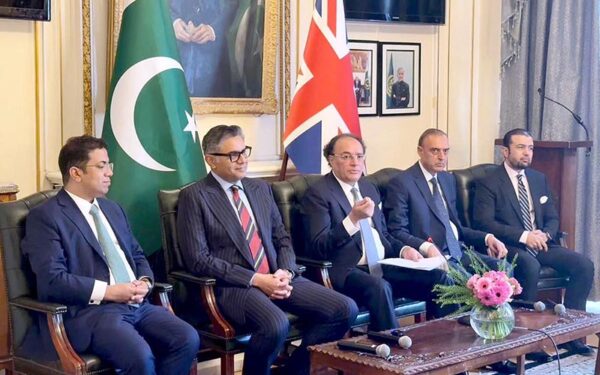
In a press conference held to brief the media on the Prime Minister's fuel relief scheme, federal ministers Attaullah Tarar, Shaza Fatima Khawaja, and Ali Pervez Malik stated that the scheme could cost Rs25-30bn per month. They also mentioned that the total cost over 10 months could reach Rs300bn, with a target of Rs100 per litre petrol relief for eligible motorists.
The ministers emphasized that the scheme is designed to benefit eligible motorists, but the dealers argue that the scheme's implementation will be challenging without their cooperation. They have called for a more inclusive approach that takes into account their financial needs and the current market conditions.
The government's estimate of the scheme's monthly cost has raised concerns among the dealers, who are already facing higher operational costs due to rising fuel prices. They have stated that they need to be compensated adequately to ensure the scheme's success and to maintain their business operations.
The dealers have also highlighted the need for a transparent and fair reimbursement mechanism to ensure that they are not unduly burdened by the scheme. They have called for a dialogue with the government to address their concerns and find a mutually beneficial solution.
The government has acknowledged the dealers' concerns and is reportedly working on addressing them. However, the dealers remain skeptical and have stated that they will not participate in the scheme until their concerns are adequately addressed.
The situation highlights the ongoing challenges faced by the government in implementing fuel relief schemes, particularly in the context of rising fuel prices and the need to balance the interests of various stakeholders.