Key Takeaways
- 13-year-old Aayat Asmi helps launch a pilot chess project in schools.
- The initiative aims to promote strategic thinking and problem-solving among students.
- Aayat has previously represented Pakistan internationally and holds a WCM title.
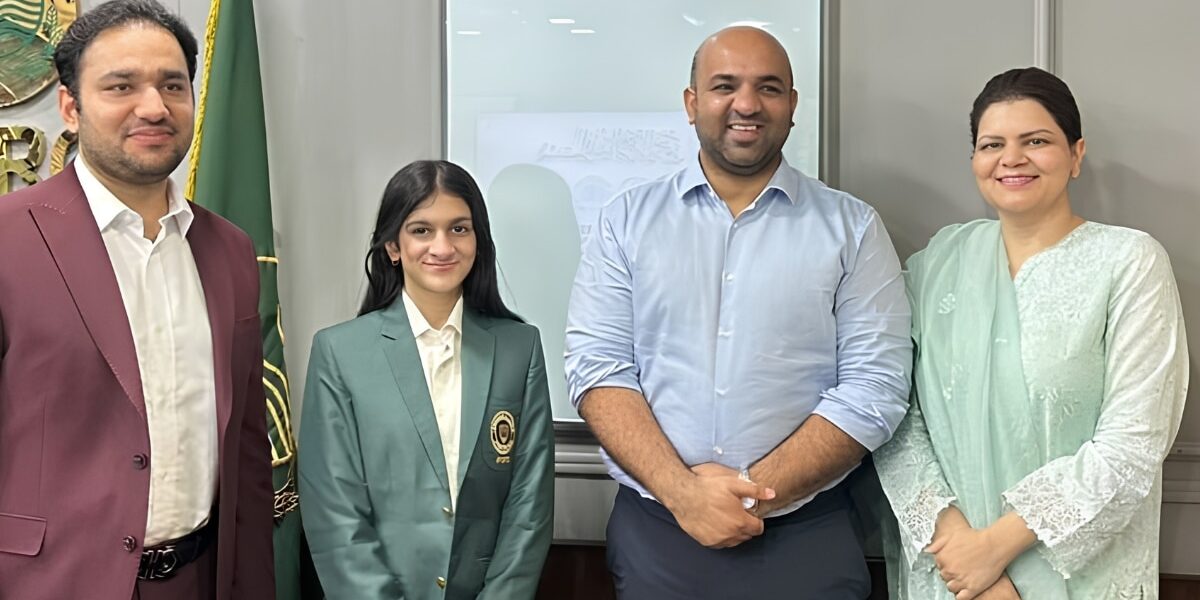
Aayat Asmi, a 13-year-old student from Learning Alliance International, has taken the lead in a new chess initiative aimed at bringing the game to school levels. Following a meeting with the Education and Sports Minister, Aayat was invited to help launch a pilot project covering 10 schools.
The project, which will run over the next four to six months, aims to introduce structured chess activities, engage students and teachers, and track participation, feedback, and outcomes. The goal is to assess how chess can be effectively incorporated into the school curriculum.
Aayat, who has already represented Pakistan internationally and holds the Woman Candidate Master (WCM) title, sees chess as a tool for promoting strategic thinking, problem-solving, concentration, and decision-making. Her efforts have been recognized nationally, with awards from the Punjab Governor and the Sports and Youth Affairs Minister.
The initiative, which began as a student-led project, is now being developed into a structured 10-school pilot. It has the potential to create a pathway for wider school-level chess participation across Punjab.
Aayat Asmi's journey from a student to a chess champion and now a key player in a national initiative highlights the impact of young talent in promoting educational and cultural programs. Her vision for making chess more accessible to students is a step towards fostering a generation of strategic thinkers.
The project is part of a broader effort to enhance educational opportunities through innovative programs. By integrating chess into the school curriculum, the initiative aims to provide students with valuable life skills and a competitive edge.
The pilot project will closely monitor the effectiveness of the chess activities, ensuring that the program meets its objectives of promoting strategic thinking and problem-solving among students. The feedback and outcomes will be used to refine the initiative and potentially expand it to more schools in the future.