Key Takeaways
- Rewinding motors, a common practice in Pakistan, significantly reduces their efficiency.
- Upgrading to modern, efficient motors could save SMEs millions annually.
- NEECA’s report highlights the urgent need for energy efficiency in Pakistani industry.
Pakistan’s industrial sector is facing a hidden energy crisis, with inefficient motors consuming a disproportionate amount of electricity. According to a report by the National Energy Efficiency Action Plan (NEECA), electric motors-driven systems consume nearly half of all industrial electricity in the country.
In a survey conducted by SAMA^Verte, a Lahore-based climate solutions firm, it was found that between 60 and 80 percent of motors in small and medium-sized enterprises (SMEs) had been rewound multiple times. Rewinding, a repair practice where burned-out motor copper winding is replaced, is widespread in Pakistani industry, often without proper diagnostic testing.

Each rewind degrades a motor’s efficiency, with a motor that once operated at 92% efficiency potentially running at 75% or lower after three rewinds. This inefficiency is not monitored, leading to significant energy waste.
The cost of maintaining inefficient motors is substantial. For a single 5.5 kW motor, rewinding costs its owner approximately PKR 360,000 more per year in electricity than an IE2-class replacement would. A 30 kW motor running at degraded efficiency wastes roughly PKR 630,000 annually, which a modern equivalent would not.
The financial impact of this inefficiency is considerable. For a factory running 30 such motors, upgrading to efficient equipment could deliver a profit uplift of over PKR 5 million per year from Year 2 onward. This underscores the urgent need for SMEs to upgrade their motor systems.
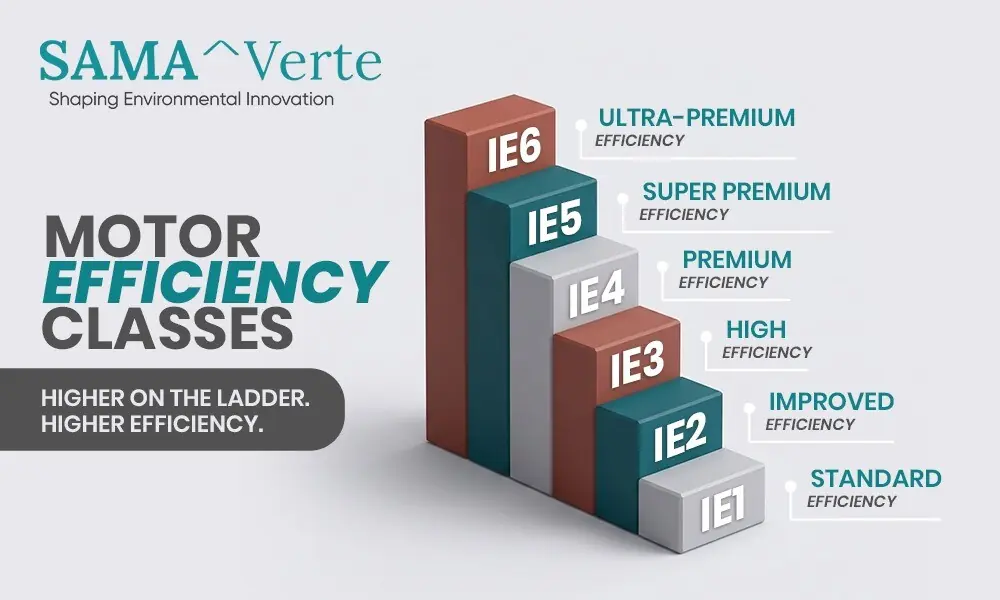
While larger players are pushing for IE3 and IE4 efficiency standards, the focus for SMEs should be on moving from the bottom rung of the efficiency ladder. The report by NEECA emphasizes that the fight is not at the top but getting off the bottom rung.
The issue is not limited to a few industries but is pervasive across the SME sector. The widespread use of rewound motors indicates a systemic problem that needs to be addressed. The lack of regulation and diagnostic testing exacerbates this issue, leading to significant energy waste.
Experts recommend that SMEs invest in modern, efficient motors to reduce energy costs and improve overall productivity. This not only benefits individual businesses but also contributes to the broader goal of energy efficiency in Pakistan’s industrial sector.