Key Takeaways
- Pakistan has initiated a third attempt to secure an LNG cargo for September.
- The move follows the rejection of a BP Singapore offer due to high prices.
- Rising spot LNG prices have increased electricity generation costs.
Pakistan has launched a third attempt to secure a liquefied natural gas (LNG) cargo for September, as international prices continue to surge and shipping risks escalate. This latest bid comes after Pakistan rejected a BP Singapore offer on September 4, citing high prices.
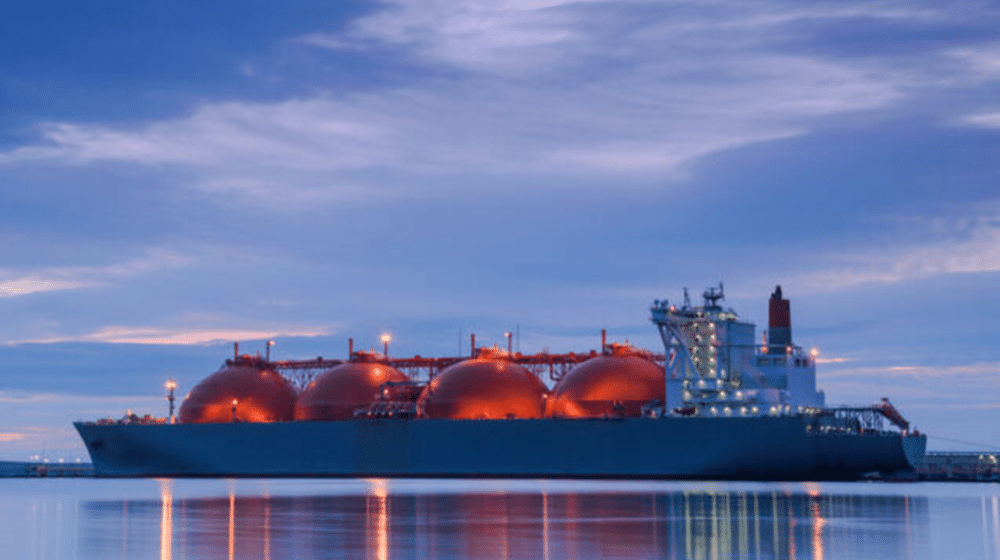
Pakistan LNG Limited (PLL) has issued a tender for one spot cargo of approximately 140,000 cubic metres, with delivery scheduled between September 12 and 16. Bids are due to be opened on September 8. The rejection of the BP offer marks the second time in a week that Pakistan has declined a bid on price grounds.
The repeated rejections highlight the dilemma faced by Pakistan’s energy authorities. Locking in cargoes at current international prices could significantly increase electricity generation costs, while staying out of the spot market risks fuel shortages for gas-fired power plants.
The impact of these decisions is already visible in the power sector. Electricity generated from spot-procured RLNG cost an average of Rs47.38 per unit in July, up from about Rs35.5 per unit in June. In July, power plants generated 1,629 gigawatt-hours using RLNG, or 10.78 percent of total generation, at a cost of roughly Rs77.198 billion.
Spot LNG prices have climbed rapidly in recent weeks. A cargo delivered on July 27 was priced at $21.88 per million British thermal units (MMBtu), while cargoes delivered on July 21-22 and July 15-16 were priced at $20.6999 and $18.2345 per MMBtu, respectively. The rejected September BP offer was about 22 percent higher than the July 27 cargo and roughly 46 percent above the July 15-16 cargo.
The situation has grown more complex amid heightened geopolitical tensions and growing concerns over shipping through the Strait of Hormuz, a critical route for global energy supplies. This adds to the challenges faced by Pakistan in securing reliable and affordable LNG supplies.
The repeated rejections and the rising costs underscore the ongoing struggle for Pakistan to balance energy security and economic viability. The third attempt to secure an LNG cargo for September is part of this ongoing challenge.