Key Takeaways
- Researchers identified a previously unknown species of bovine from DNA in Denisova cave.
- The species, known as yak X, diverged from wild yaks around 400,000 years ago.
- Ancient humans, including Neanderthals and Denisovans, likely hunted the extinct species.
Scientists have made a groundbreaking discovery in Denisova cave in Siberia, identifying a new species of bovine that has been extinct for around 30,000 years.
The species, currently known as yak X, was identified through the analysis of bone fragments from the cave, which contained DNA that did not match any living bovine species or extinct steppe bison or aurochs.

The divergence of yak X from wild yaks (Bos mutus) is estimated to have occurred around 400,000 years ago, with the species becoming genetically isolated by 250,000 years ago.
By around 30,000 years ago, the species had become extinct, according to the research published in the journal Current.
Love Dalén from Stockholm University, Sweden, and his colleagues analyzed 20 genomes from the bone fragments, providing insights into the evolutionary history of the species.
The findings suggest that yak X was a distinct species, similar to how American and European bison are now considered separate species.
While there is no direct evidence of ancient humans hunting yak X, researchers suspect that Neanderthals, Denisovans, and modern humans, along with large carnivores like hyenas and lions, may have targeted the species as prey.
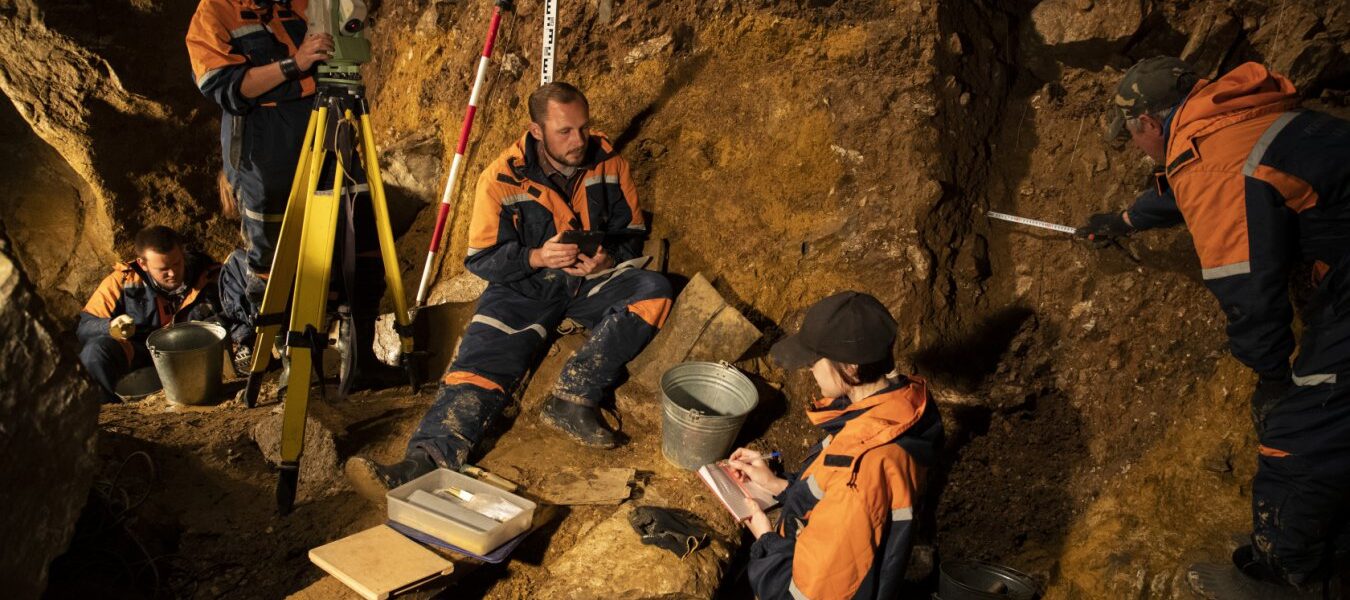
The cave, famous for the discovery of the Denisovans, has yielded valuable insights into the evolutionary history of bovines and the interactions between ancient humans and their environment.
Further research is needed to uncover the unique traits and characteristics of yak X, as well as to confirm its relationship with other bovine species.