Key Takeaways
- NASA has uploaded over 800GB of Artemis II mission data, including images and videos.
- The archive features 11,000 photos and videos, and 8.5 hours of audio.
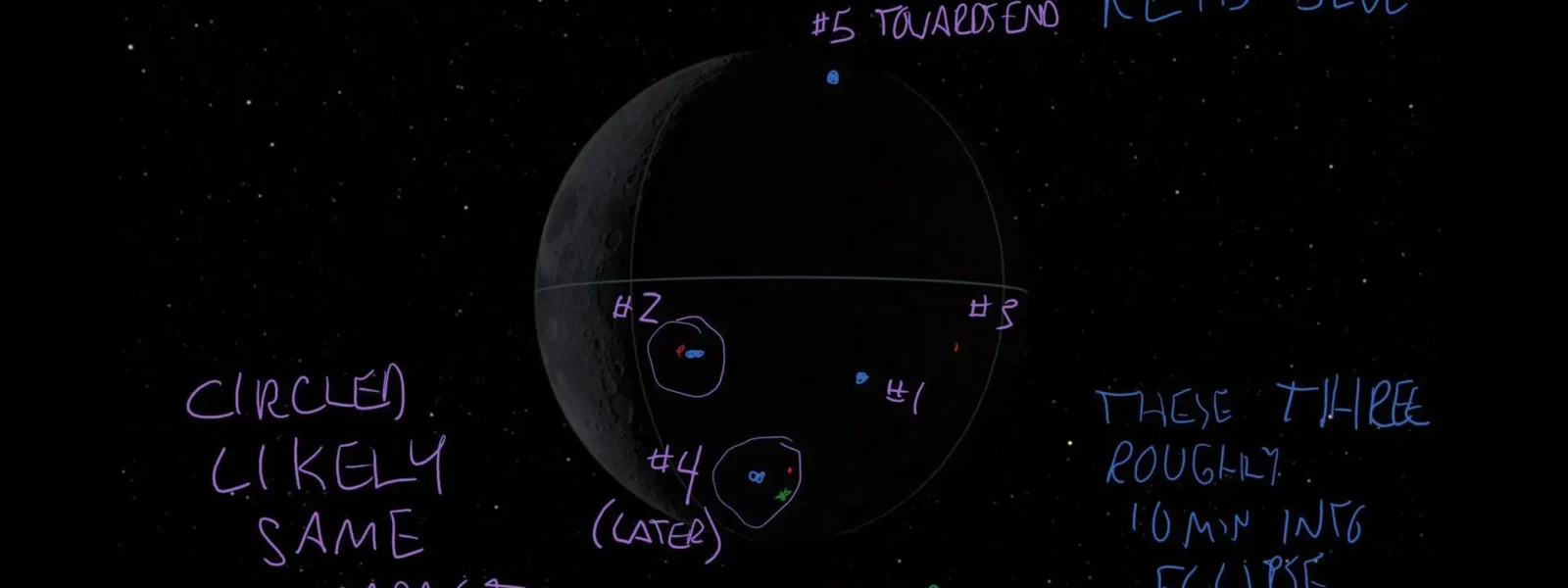
- Crew-annotated images highlight key observations, such as impact flashes on the Moon’s dark side.
NASA has made a vast trove of data from the Artemis II mission available online, offering a comprehensive look at the historic spaceflight. The data, which includes over 800GB of information, is now accessible through the Artemis II: Sights & Sounds of Science site.
The archive contains a wealth of material, including more than 11,000 photos and videos, as well as over 8.5 hours of audio recordings. This extensive collection provides an unprecedented insight into the mission’s activities and observations.
One of the highlights of the data release is a series of crew-annotated images. These images, which include a detailed view of impact flashes observed on the dark side of the Moon, offer a unique perspective on the mission’s scientific discoveries.
The data also includes footage of the Artemis II team communicating with ground control in Houston. In these recordings, the crew discusses their observations of impact flashes, adding to the scientific understanding of the mission.
The release of this data is significant for both researchers and space enthusiasts. It provides a valuable resource for studying the mission’s findings and offers a deeper appreciation of the Artemis II journey.
The Artemis II mission, which saw the Orion spacecraft travel around the Moon, was a crucial step in NASA’s plans to return humans to the lunar surface. The data released now allows for a more detailed analysis of the mission’s objectives and outcomes.
With the data now available, scientists and the public can explore the mission’s findings in greater detail. The crew-annotated images and audio recordings offer a personal touch, providing insights into the astronauts’ experiences and observations.
The Artemis II mission marked a significant milestone in space exploration, and the release of this data ensures that the mission’s legacy will continue to inspire and inform future space endeavors.