Key Takeaways
- Ireland will not participate in Eurovision for the second consecutive year.
- The boycott is in protest against Israel’s participation and ongoing killings in Gaza.
- Five countries, including Ireland, Iceland, the Netherlands, Spain, and Slovenia, refused to take part this year.
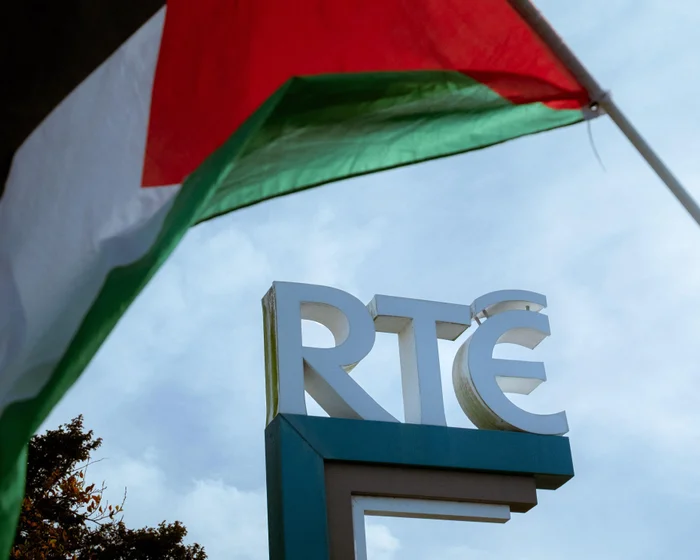
Ireland has announced it will boycott the Eurovision song contest for the second year in a row, joining other countries in protest against Israel’s participation and the ongoing deaths in Gaza.
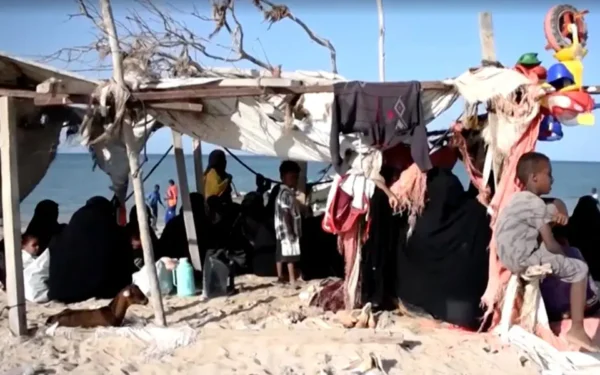
The national broadcaster stated that the decision was made due to the 'appalling' situation in Gaza, which has been a source of international concern for months.
This year, five countries—along with Ireland, Iceland, the Netherlands, Spain, and Slovenia—decided not to take part in the competition, reflecting a growing divide in the European continent over the issue.
The decision comes after a similar move last year, where Ireland and other nations expressed their disapproval of Israel’s actions, citing human rights concerns and the ongoing conflict in Gaza.
The Eurovision song contest, which is one of the most-watched television events in Europe, has faced increasing scrutiny over its participation from countries with differing views on the Israeli-Palestinian conflict.
While the contest is primarily a cultural event, it has become a platform for countries to voice their political stances, with Ireland’s decision to boycott highlighting the complex interplay between entertainment and politics.
The national broadcaster emphasized that the decision was made to stand in solidarity with the people of Gaza and to protest against the ongoing violence and human rights violations.
The move has been met with mixed reactions, with some viewing it as a principled stand and others arguing that it could harm Ireland’s reputation and cultural ties with other nations.