Key Takeaways
- The 2026 F1 season enters its final stretch with the Singapore Grand Prix.
- Saturday's sprint race was delayed by 30 minutes due to pre-race showers.
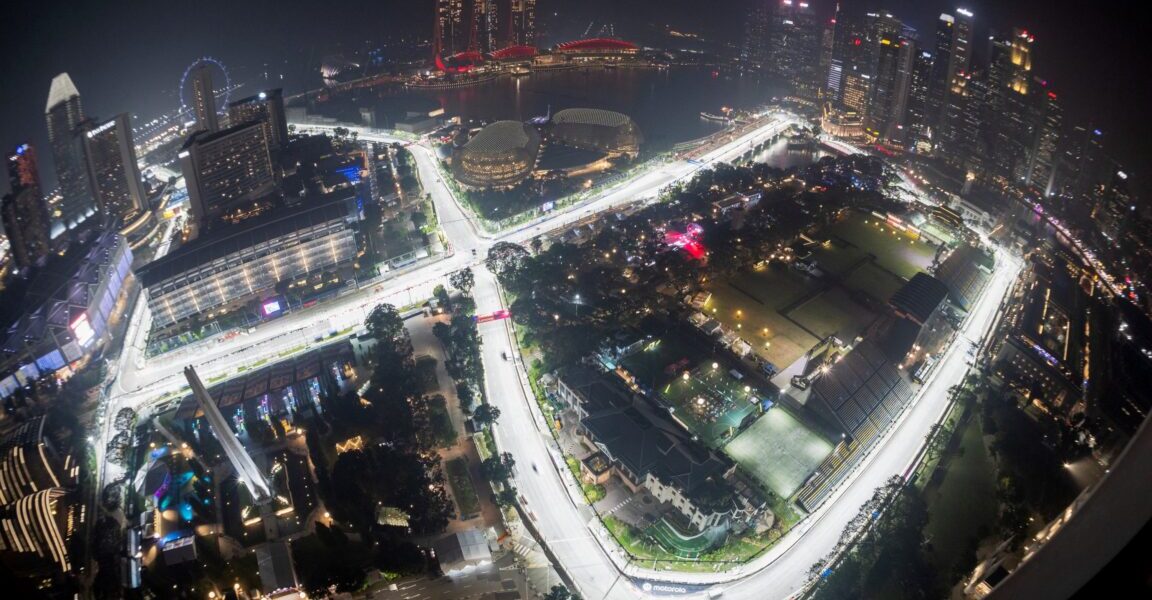
- Drivers face unique challenges on the city-state's illuminated streets.
Formula 1’s 2026 season is nearing its conclusion, with the Singapore Grand Prix providing a thrilling spectacle. The night race, known for its bright, illuminated track, offers a unique challenge to the drivers.
On Saturday, the sprint race was delayed by 30 minutes due to pre-race showers, highlighting the unpredictable nature of the tropical climate.

The sprint format, which replaces a practice session with a short race, is unpopular among drivers and teams. The lack of prestige and the risk of damaging the car before the main event make it a less desirable contest.
The Singapore track, with its 90-degree turns and concrete barriers, presents a distinct challenge. The proximity of the unyielding barriers means even minor mistakes can result in significant consequences.
The track’s layout, with its bright lights and towering skyscrapers, transforms the city into a dynamic backdrop for the race. Drivers must navigate the illuminated ribbon of the track with precision.
The tropical heat and humidity are constant factors, adding to the physical demands on the drivers. The race’s location, close to the equator, ensures these conditions are a consistent part of the experience.
While the sprint race was delayed, the main event proceeded as planned, offering fans a night of high-speed action and drama.
The unique challenges of the Singapore track continue to make it a highlight of the F1 calendar, showcasing the skill and resilience of the drivers and teams.