Key Takeaways
- The government will present details of the new five-year auto policy to the IMF.
- The briefing is part of ongoing discussions under Pakistan’s broader tariff and trade reforms.
- The policy aims to reduce protection in the auto sector and gradually lower import duties.
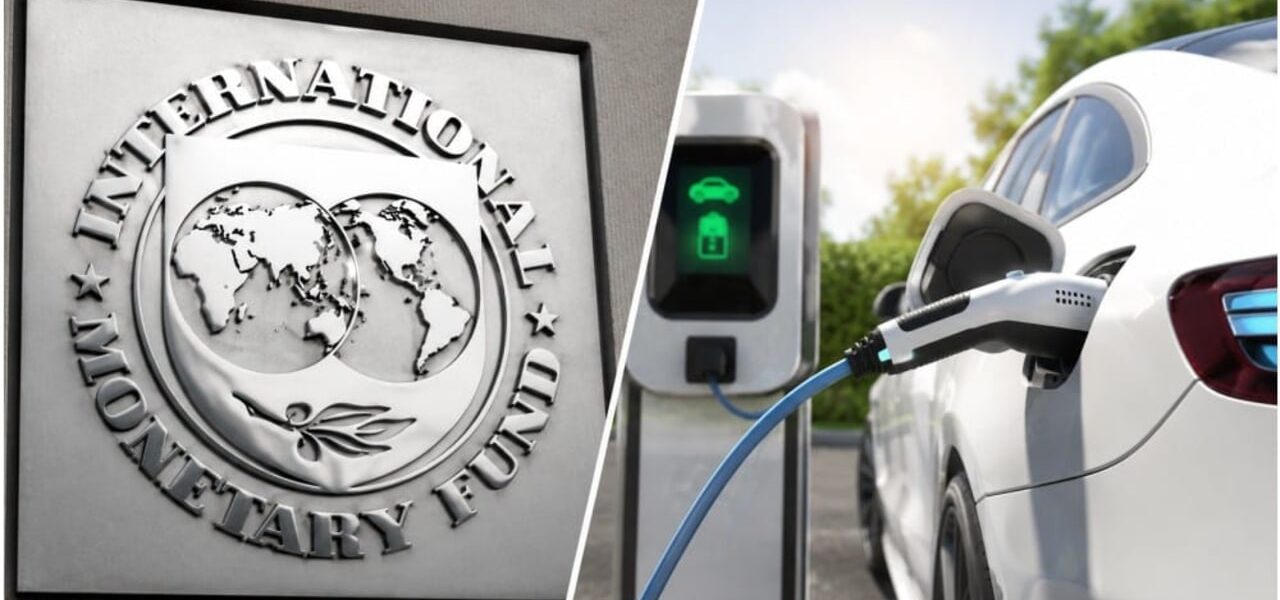
The government of Pakistan is set to brief the International Monetary Fund (IMF) on the proposed draft of the country’s new five-year auto policy on Tuesday. This briefing is part of ongoing discussions as part of Pakistan’s broader tariff and trade reforms.
According to sources, the Pakistani team will present the details of the draft framework for the new policy, which is currently under consideration by the government. The Ministry of Commerce will also brief the IMF on the National Tariff Policy and changes introduced in import and export orders.
The auto policy is being discussed as part of Pakistan’s efforts to align with the IMF program, which calls for reducing protection in the auto sector and gradually lowering import duties. This move is aimed at improving the overall trade environment and making the sector more competitive.
The ongoing fourth review of the $7 billion Extended Fund Facility and the third review of the Resilience and Sustainability Facility could unlock around $1.2 billion for Pakistan, including approximately $1 billion under the Extended Fund Facility and $200 million under the Resilience and Sustainability Facility. These funds are contingent upon the successful completion of the reviews and approval by the IMF Executive Board.
The new auto policy is expected to have a significant impact on the automotive industry in Pakistan, potentially leading to increased competition and improved efficiency. The government hopes that these reforms will contribute to the country’s economic growth and stability.
The briefing to the IMF is a critical step in the process of finalizing the new policy. It will provide the international financial institution with a comprehensive understanding of Pakistan’s plans and the potential benefits of these reforms.
The Ministry of Commerce is working closely with various stakeholders to ensure that the new policy is well-received and implemented effectively. The government’s commitment to these reforms underscores its dedication to improving the business environment and fostering economic growth.