Key Takeaways
- Solar energy adoption in Pakistan has surged, but battery storage is essential for evening and grid reliability.
- Households with solar panels often face dependency on the grid during peak evening hours and outages.
- Battery storage systems allow for better utilization of generated solar energy and increased energy independence.
Pakistan’s solar energy landscape has transformed rapidly, with solar panels becoming a common sight across rooftops and businesses. The shift is driven by rising electricity costs, falling solar equipment prices, and the desire to control monthly bills.
By 2025, solar energy was already a significant contributor to Pakistan’s electricity supply, with the rapid growth of rooftop and behind-the-meter systems reducing reliance on the grid.

However, solar panels alone are not sufficient to meet the full energy needs of households. Solar generation peaks during the day, but electricity consumption continues well into the evening, necessitating a solution for storing excess energy.
Battery storage plays a crucial role by allowing electricity generated during the day to be stored and used when needed. This ensures that households can continue to use electricity even after sunset or during grid outages.
For example, air conditioners, cooking appliances, and other devices remain in use, making uninterrupted electricity essential for many households. Without battery storage, excess solar energy generated in the afternoon may not be available when it is most needed.
The next phase of Pakistan’s solar transition is likely to focus on control. As more households adopt solar, the question shifts from how much electricity can be generated to how much can be used. Battery storage can help households use more of the energy they generate themselves.
Moreover, battery storage provides an additional layer of resilience, ensuring that households can rely on their own energy sources during grid outages. This is particularly important for those working from home, studying online, or running home-based businesses.
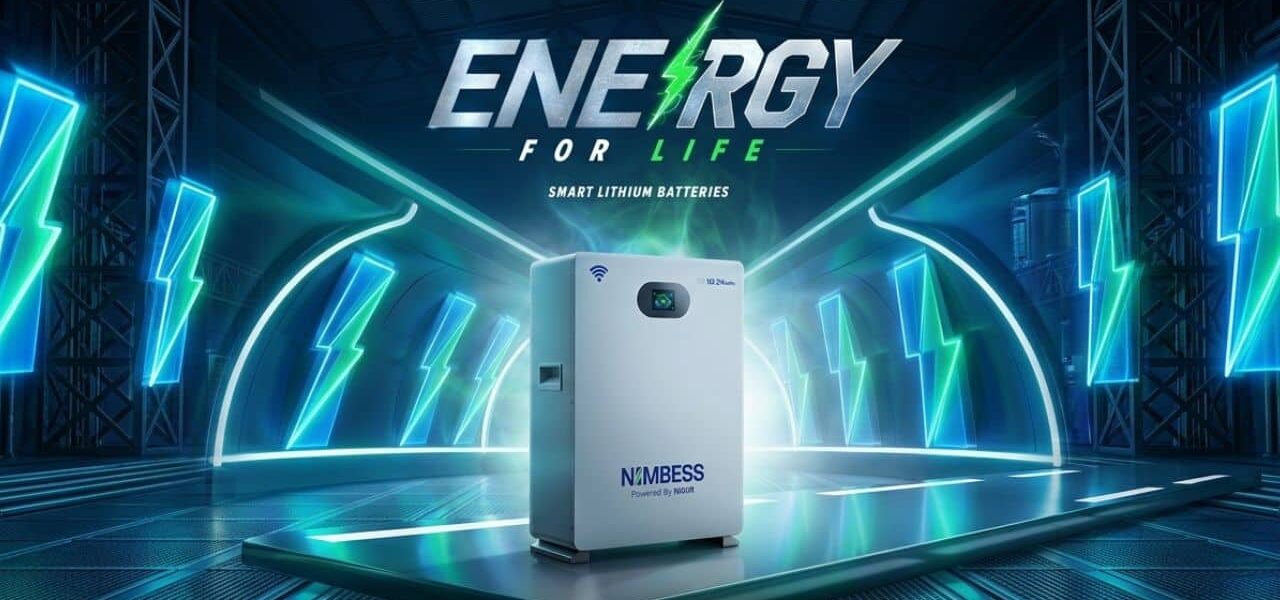
While lead-acid batteries have been the default choice for backup systems in Pakistan, the growth of lithium technology is changing consumer expectations. Lithium batteries offer better performance, longer usable capacity, and lower maintenance requirements.
In conclusion, for a modern home energy setup to be truly effective, it must be thought of as an ecosystem. The panels, inverter, and battery each serve a different purpose, and their value lies in how effectively they work together to provide reliable and efficient energy solutions.