Key Takeaways
- Archaeologists unearth a 20-metre Gallo-Roman wall in Paris.
- The find is hailed as a 'major breakthrough' by the French culture ministry.
- The wall could confirm the location of the city’s original settlement.
French archaeologists have made a significant discovery beneath the heart of Paris, unearthing a 20-metre stretch of wall dating back to the Gallo-Roman period. This find has been described as a 'major breakthrough' by the French culture ministry, potentially confirming the site of the city’s first settlement.
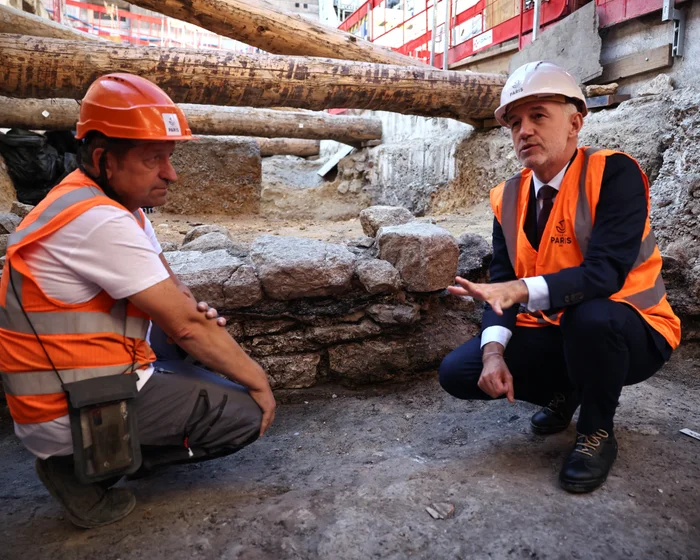
The wall was discovered in Paris this summer, beneath a building on the Île de la Cité, near Notre Dame Cathedral. This location, in the very heart of the French capital, underscores the historical significance of the find.
The Gallo-Roman period, spanning from the 1st century BC to the 5th century AD, marks a crucial era in the development of Paris. The discovery of this wall could provide invaluable insights into the city’s early history and urban planning.
According to the French culture ministry, the wall’s discovery is a 'major breakthrough' in understanding the city’s past. This statement highlights the importance of the find in the context of French cultural heritage.
The site of the discovery, near Notre Dame Cathedral, is a testament to the historical and religious significance of the area. The cathedral, a landmark of Paris, stands as a symbol of the city’s rich history and cultural heritage.
Archaeologists are currently conducting further investigations to fully understand the extent and implications of the discovery. The wall, believed to be part of a larger structure, could offer new insights into the layout and development of the city during the Gallo-Roman period.
The French culture ministry’s enthusiasm for the find reflects the broader interest in uncovering the city’s ancient past. This discovery could lead to a deeper understanding of Paris’s historical roots and contribute to the city’s ongoing cultural narrative.
The Gallo-Roman period is a pivotal era in the history of Paris. The discovery of this wall could provide crucial evidence for the location of the city’s first settlement, potentially rewriting parts of the historical record.