Key Takeaways
- India's chip program aims to add redundancy to the global industry.
- Taiwanese firms are seen as key partners in this initiative.
- India frames its program as complementary to existing supply chains.
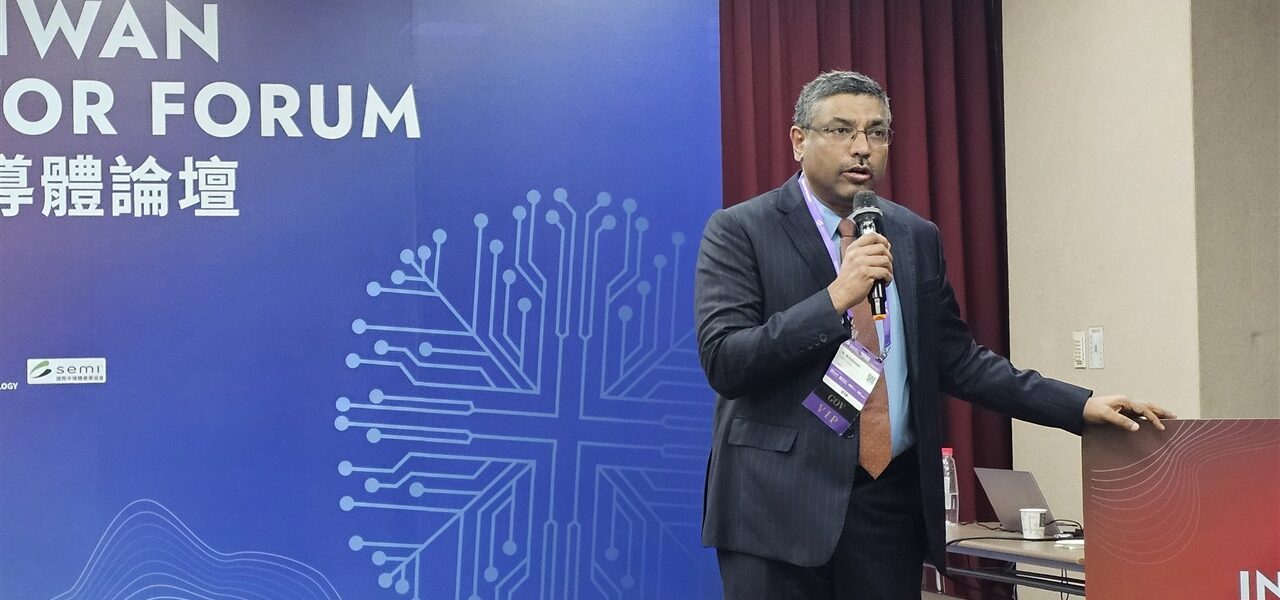
India's most senior semiconductor policymakers have visited Taipei to present their country's chip-building program as a means to add redundancy to the over-concentrated global semiconductor industry, rather than as a substitute for imports. This approach is designed to ensure that India can maintain a stable supply of critical components, even in the event of disruptions in the current supply chain.
During the visit, Indian officials emphasized that the country's chip program is not intended to isolate itself from the global market but rather to work in tandem with existing supply chains. They highlighted that the program is aimed at creating a second production base for Taiwanese firms, which are already being approached by their own customers to expand their presence in India.
For Taiwanese materials, gas, equipment, and packaging firms, this reframes India from a distant end market into a strategic production hub. The Indian government is actively seeking to integrate these Taiwanese companies into its semiconductor ecosystem, recognizing the critical role they play in the global supply chain.
The Indian policymakers stressed that their program is designed to complement, rather than compete with, existing supply chains. They believe that by working closely with Taiwanese firms, they can enhance the resilience of the global semiconductor industry. This partnership is seen as mutually beneficial, as it allows Taiwanese companies to tap into a growing market while contributing to India's technological and economic development.
The Indian government has been working to establish a robust semiconductor ecosystem, including setting up special economic zones and providing incentives for foreign investment. These efforts are aimed at attracting Taiwanese and other international firms to set up operations in India, thereby creating a more diversified and resilient supply chain.
Indian officials also highlighted the potential for collaboration in research and development, as well as in the sharing of best practices. They believe that such collaboration can lead to significant advancements in the semiconductor industry, benefiting both countries and the global market.
The visit to Taipei was part of a broader strategy by India to diversify its supply chains and reduce dependency on a single source. By engaging with Taiwanese firms, India aims to create a more resilient and sustainable semiconductor industry that can withstand potential disruptions.
The Indian government's approach is seen as a pragmatic response to the challenges posed by the current global supply chain. By working closely with Taiwanese firms, India can ensure that its semiconductor industry remains competitive and resilient in the face of future disruptions.