Key Takeaways
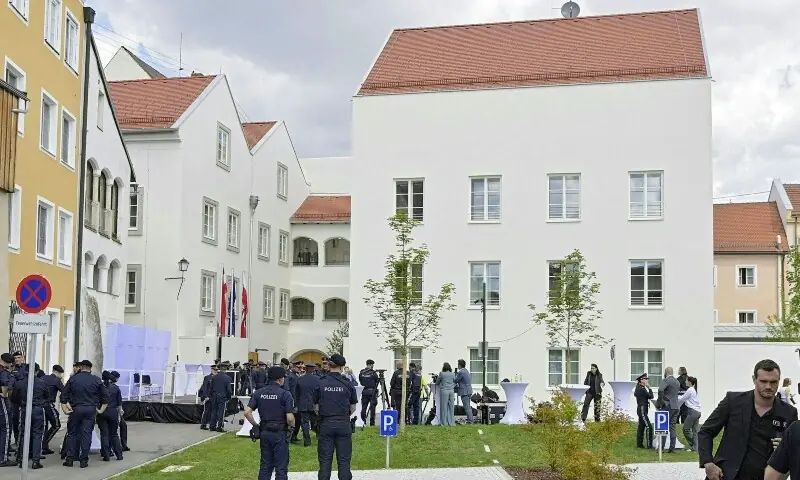
- Austria opened a new police station in Adolf Hitler's former house.
- The decision aims to deter far-right extremists from visiting the site.
- Interior Minister Gerhard Karner emphasized the importance of remembering history.
Austria has transformed Adolf Hitler’s birthplace into a police station, aiming to address concerns about far-right extremism. The move follows a long and contentious debate over what to do with the site, which is often criticized for not fully confronting its role in the Holocaust.
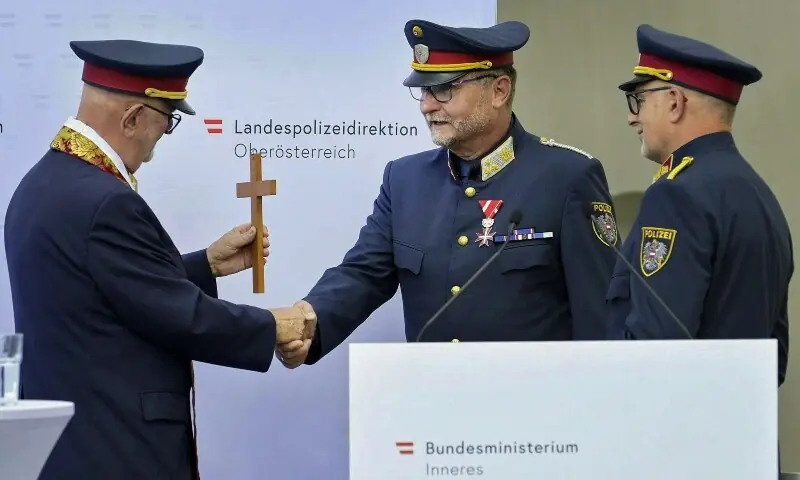
During an inauguration ceremony on July 22, 2026, Johannes Waidbacher, mayor of Braunau-am-Inn, expressed hope that the transformation would demonstrate the local community's commitment to facing its history. 'I believe that the opening of the police station today brings clarity to the discussion, perhaps also a bit of calm for the people of Braunau,' he said.
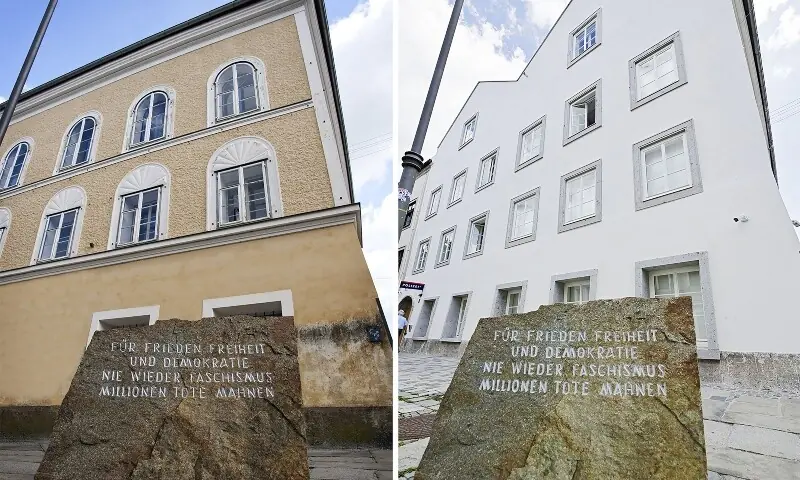
The decision comes after extensive refurbishment costing €20 million ($23m), which was completed three years behind schedule. The unassuming 17th-century building, located near the German border and where Hitler was born on April 20, 1889, has undergone significant changes. Its roughcast yellow walls have been whitewashed, and a police sign now hangs above the entrance.
Interior Minister Gerhard Karner highlighted that the house will serve as 'a place of democracy, of the rule of law, of security, of freedom, and of human dignity.' He also noted that 'the memory does not disappear, nothing is covered up. The memorial stone in front of this house, hewn from the granite of the former Mauthausen concentration camp, remains in place,' emphasizing Austria's commitment to remembering its past.
The transformation reflects broader concerns within Austria about far-right politics. The country’s most popular political party, the far-right Freedom Party of Austria (FPOe), was founded by former Nazis and currently holds 37 per cent support according to polling aggregator Europe Elects. This decision is seen as a step towards addressing these issues.
Local resident Erna Seidl expressed relief that 'something' had been done and was 'very happy with the result.' However, the move has not gone without criticism from some quarters who argue that it might glorify or trivialize Hitler’s legacy. The debate over how to handle historical sites associated with Nazi figures continues in Austria.
The decision to turn the birthplace into a police station is part of a broader effort by the Austrian government to confront its past and address contemporary political challenges. It aims to send a clear message that the country will not tolerate far-right extremism, while also ensuring that the memory of those who suffered during the Holocaust remains intact.
I believe that the opening of the police station today brings clarity to the discussion, perhaps also a bit of calm for the people of Braunau.
Johannes Waidbacher, Mayor of Braunau-am-Inn
And at the same time … the memory does not disappear, nothing is covered up. The memorial stone in front of this house, hewn from the granite of the former Mauthausen concentration camp, remains in place.
Gerhard Karner, Interior Minister