Key Takeaways
- The second circuit overturned a lower court decision ordering the release of Mohsen Mahdawi.
- The ruling allows for his re-arrest, despite efforts by the Trump administration to deport him.
- Mahdawi is a student protest organizer who faced charges related to his activism.
In a significant legal development, an appeals court in New York has reversed a lower court decision that had ordered the release of pro-Palestinian activist Mohsen Mahdawi. The second US circuit court of appeals overturned the previous ruling, which had been made by a federal judge in Vermont and compared the government's efforts to deport activists like Mahdawi to McCarthyist repression.
According to the Guardian World report, this decision means that Mahdawi could face re-arrest despite having been released under the initial order. The Trump administration has been attempting to deport him for over a year, highlighting the ongoing legal battles surrounding his case.
The reversal of the lower court's decision came on Tuesday and is seen as a setback for activists who had hoped that Mahdawi would be allowed to remain in the United States without fear of deportation. The ruling maintains the stance that the government has the authority to proceed with his deportation through the immigration court system, despite earlier concerns raised by the judge.
In his initial decision, the federal judge in Vermont had expressed concern over what he deemed as 'McCarthyist' tactics employed by the government in attempting to deport activists. However, the appeals court's ruling has dismissed these concerns, stating that the lower court overstepped its authority by intervening before the case moved through the immigration court system.
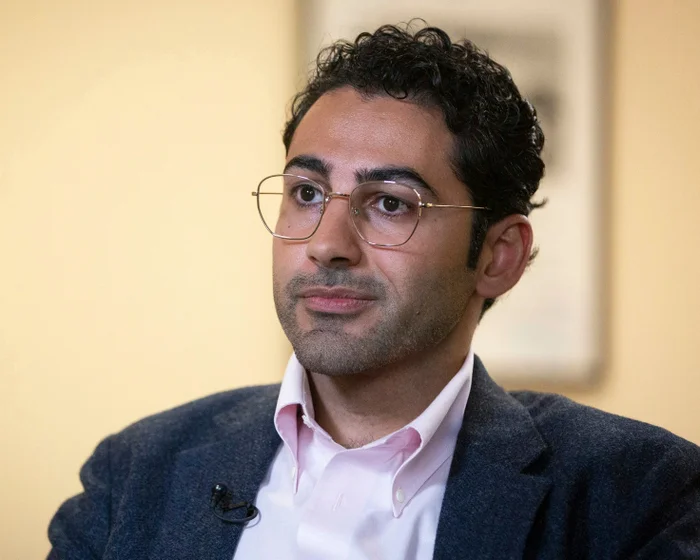
Mohsen Mahdawi is described as a student protest organizer who has been involved in various pro-Palestinian activities and protests. His case has garnered attention from human rights organizations and activists who have argued for his right to remain in the United States to continue his work.
The decision by the appeals court has implications beyond just Mahdawi's individual case, as it sets a precedent that could influence future legal battles involving other activists facing deportation under similar circumstances. Legal experts suggest that this ruling may embolden the government to pursue more cases of this nature in the coming months and years.
While the decision is final for now, supporters of Mahdawi are likely to continue their efforts to challenge the government's actions through legal means or public pressure campaigns. The case has drawn attention to broader issues surrounding freedom of speech and activism within the context of immigration law.