Key Takeaways
- Sessions court grants post-arrest bail to Rehan Tariq.
- Case registered under blasphemy laws and Prevention of Electronic Crimes Act.
- NCCIA opposes bail, citing potential religious discord.
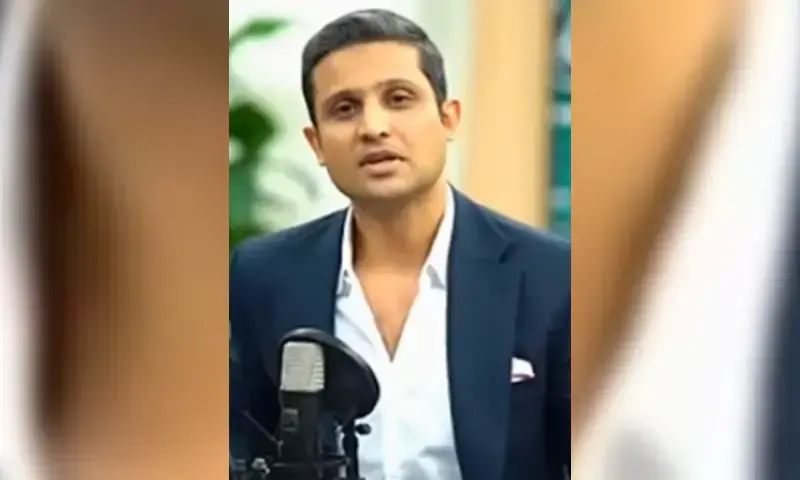
A sessions court in Lahore has granted post-arrest bail to podcast host Rehan Tariq in a case registered under the blasphemy laws and the Prevention of Electronic Crimes Act (Peca). The National Cyber Crime Investigation Agency (NCCIA) had arrested Tariq at Lahore’s international airport upon his return from abroad, following the registration of an FIR on June 25.
Advocate Mian Dawood argued that there was no evidence linking Tariq to the alleged social media uploads and highlighted that conducting interviews with religious scholars is a constitutionally protected journalistic function. He also submitted that opinions from prominent religious scholars stated that the questions did not amount to disrespecting any revered Islamic personality.
The court, after hearing detailed arguments from both sides, allowed the bail petition, subject to the furnishing of surety bonds worth Rs100,000. This decision comes despite an earlier denial by a judicial magistrate who observed that no case for extraordinary concession of bail had been made out.
NCCIA SHO Najam Bajwa opposed the bail plea, contending that Tariq had deliberately asked controversial questions in a manner that could provoke religious and sectarian discord. He admitted that the religious scholar who was the guest on the podcast had not been nominated in the FIR but argued for rejecting the bail application.
This case is part of a broader crackdown by authorities against social media activists, with 11 such individuals arrested earlier this month in different cities of Punjab for allegedly spreading 'anti-state propaganda and inciting unrest' among the public. The NCCIA registered the FIR under Peca’s Section 11 (hate speech), as well as Sections 153-A (spreading hate or promoting enmity between different groups), 295-A (outraging religious feelings) and 298 (uttering words with deliberate intent to wound religious feelings).
The decision by the court highlights ongoing tensions in Pakistan regarding freedom of expression, particularly when it involves sensitive religious matters. Legal experts have expressed concerns over the use of blasphemy laws, which can be controversial and lead to severe consequences for those accused.
Tariq’s case has garnered attention from human rights organizations who argue that the charges against him are politically motivated and do not meet legal standards. They call for a fair trial and protection of free speech in Pakistan.