Key Takeaways
- Pakistan has purchased some of its most expensive liquefied natural gas (LNG) in four years.
- The high prices are due to supply disruptions and increased spot market costs.
- Alternative energy sources like nuclear power are being increasingly relied upon.
Pakistan has been forced to pay record-breaking prices for liquefied natural gas (LNG), with recent purchases reaching around $21.88 per million British thermal units (mmBtu), marking the country’s highest LNG purchase price since 2022, according to Bloomberg reports.
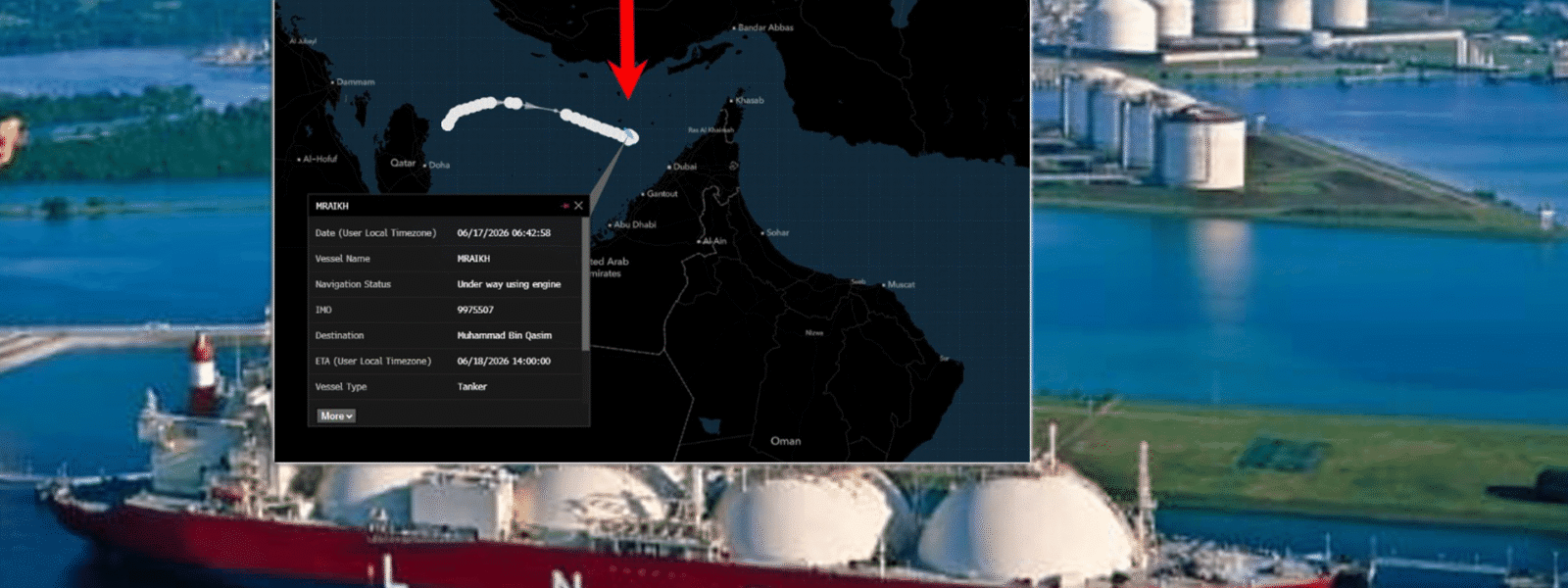
The surge in prices is attributed to ongoing disruptions in the Strait of Hormuz and increased spot market costs driven by the US-Iran conflict, which has tightened global supplies. Qatar, a major supplier to both Pakistan and Bangladesh, suspended scheduled exports earlier this year due to security concerns, exacerbating the situation.
While Asian spot LNG prices have climbed to their highest level since late March, reaching around $20 to $21 per mmBtu, they have steadily risen again in recent weeks. This marks a significant increase from pre-war levels and is expected to put additional pressure on government finances.
For Pakistan and Bangladesh, buying LNG on the spot market has become significantly more expensive than importing gas under long-term contracts with Qatar. The higher costs are anticipated to translate into increased electricity and gas tariffs if sustained over time.
In response to these challenges, Pakistan is increasingly relying on alternative sources of electricity generation. Recent industry data shows that nuclear power generation rose by around 30 percent in June compared with the same period last year. Coal-fired generation also saw a modest increase of 5 percent during the same period.
The country is also expanding its renewable energy capacity as part of efforts to reduce exposure to volatile global LNG markets and strengthen long-term energy security. This shift towards alternative sources reflects Pakistan’s strategic approach to diversifying its energy portfolio in response to rising costs and supply uncertainties.
Despite these measures, the ongoing geopolitical tensions continue to impact the global LNG market, with no clear resolution on the horizon for the supply disruptions. As a result, Pakistan is likely to face continued challenges in securing affordable and reliable energy supplies.