Key Takeaways
- Authorities issue eviction notices to owners of over 20,000 houses and apartments.
- Campaign targets undocumented Afghan nationals living in Pakistan illegally.
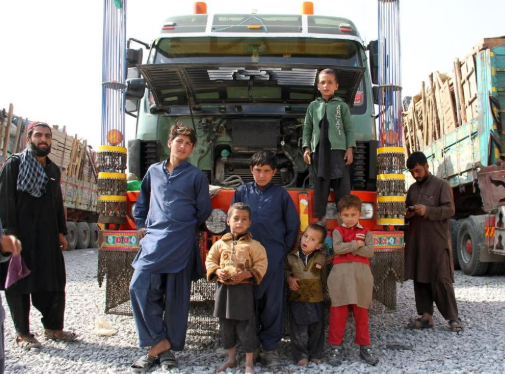
- Thousands of Afghans are being returned to their home country.
The Pakistani authorities have intensified a nationwide campaign aimed at repatriating undocumented Afghan nationals. As part of this drive, eviction notices have been issued to the owners of more than 20,000 houses and apartments suspected of accommodating people living in Pakistan illegally.
According to official sources, the campaign is targeting those who are residing without proper documentation or permission from the government. The move comes as thousands of Afghans are being returned to their home country under the repatriation drive.
The Associated Press Of Pakistan reports that this intensified effort involves not only issuing eviction notices but also increasing surveillance and enforcement measures in areas with a high concentration of undocumented Afghan nationals. This is part of a broader initiative by the government to address concerns related to national security, economic pressures, and social stability.
While the exact number of Afghans who have been repatriated so far has not been disclosed, sources indicate that thousands are being returned daily. The process involves cooperation between local authorities and community leaders to ensure a smooth transition for those being deported.
The government's stance is clear: it aims to maintain law and order while addressing the challenges posed by an estimated 2 million undocumented Afghan nationals living in Pakistan. Officials have emphasized the importance of this drive, stating that it aligns with national policies aimed at protecting the interests of Pakistani citizens.
However, human rights organizations have expressed concerns over the potential impact on vulnerable communities. They argue that without proper support and alternative housing options, many Afghans may face hardship upon their return to Afghanistan, which is still grappling with political instability and economic challenges.
In response to these criticisms, government officials have stated that they are working closely with international organizations to provide assistance to those being repatriated. They claim that measures such as providing transportation and basic supplies will be in place to ease the transition for affected individuals.
The repatriation drive is part of a larger regional effort aimed at addressing migration issues, particularly between Pakistan and Afghanistan. Both countries have faced significant challenges related to cross-border movement and its impact on social and economic conditions.