Key Takeaways
- Federal Minister for Railways, Muhammad Hanif Abbasi, has banned the use of special saloons and VIP rest house rooms.
- The move aims to eliminate Very Important Person (VIP) culture at the top level in Pakistan Railways.
- Abbasi himself is complying with the new rule.
Federal Minister for Railways, Muhammad Hanif Abbasi, has announced a significant overhaul of railway operations by banning the use of special saloons and VIP rest house rooms. This decision comes as part of an effort to eliminate the Very Important Person (VIP) culture at the top levels within Pakistan Railways.
In a statement released on official channels, Minister Abbasi stated that all top officials, including himself, are now barred from using these facilities. The move is seen as a step towards transparency and accountability in government operations, particularly in the railway sector which has long been criticized for its perceived inefficiencies and misuse of resources.
According to the minister's announcement, this ban applies across the board, ensuring that no one, regardless of their position or status within the organization, will be exempt from these new rules. The decision is expected to streamline operations and reduce unnecessary expenditure on VIP amenities, which have often been a point of contention among stakeholders.
The implementation of this policy is part of broader reforms aimed at improving service delivery in Pakistan Railways. Minister Abbasi emphasized that the move is not just about cost-cutting but also about setting a new standard for professionalism and integrity within the organization. He stated, 'We are committed to ensuring that our services are accessible to all citizens without favoritism or unnecessary privileges.'
While details of how this ban will be enforced remain unclear, sources close to the ministry suggest that strict monitoring mechanisms will be put in place to ensure compliance. The minister added, 'Transparency and accountability are at the heart of these reforms. We aim to create a more inclusive environment where every citizen can benefit from our services.'
The decision has been welcomed by several civil society organizations and opposition parties who have long criticized the railway sector for its perceived misuse of resources. However, some industry insiders caution that such changes may face resistance from within the organization, particularly among those who have benefited from these facilities in the past.
In a bid to address concerns about potential disruptions, the ministry has assured that alternative arrangements will be made available to ensure smooth operations. A spokesperson for the Ministry of Railways stated, 'We are working on providing equivalent services through other means to avoid any inconvenience to our passengers.'
The move is part of a larger push by the government to modernize and reform public sector organizations. Minister Abbasi highlighted that this is just one step in a broader plan to improve service delivery across various sectors, including health, education, and transportation.
'We are committed to ensuring that our services are accessible to all citizens without favoritism or unnecessary privileges.'
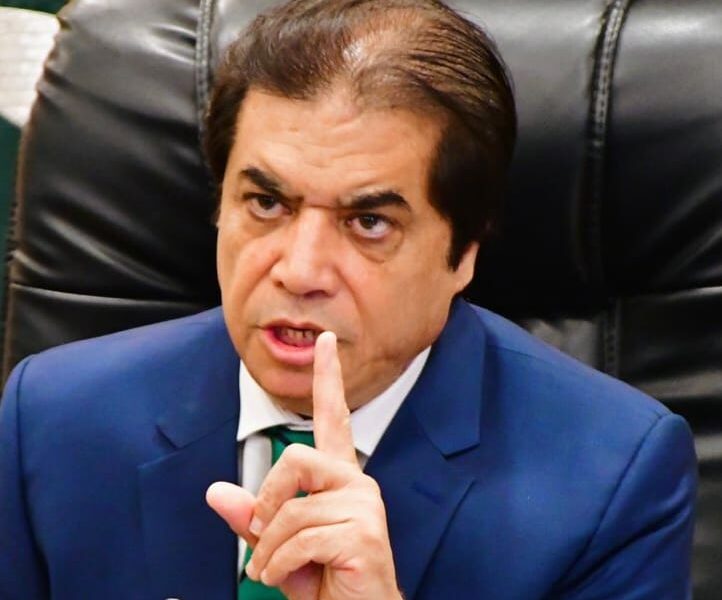
Muhammad Hanif Abbasi, Federal Minister for Railways