Key Takeaways
- Pakistan must reapply for GSP-Plus by the end of 2028 to retain preferential EU market access.
- The country will need to submit a written plan of action and win Brussels' approval.
- At stake are €7.5 billion in annual exports and €730 million in tariff savings.
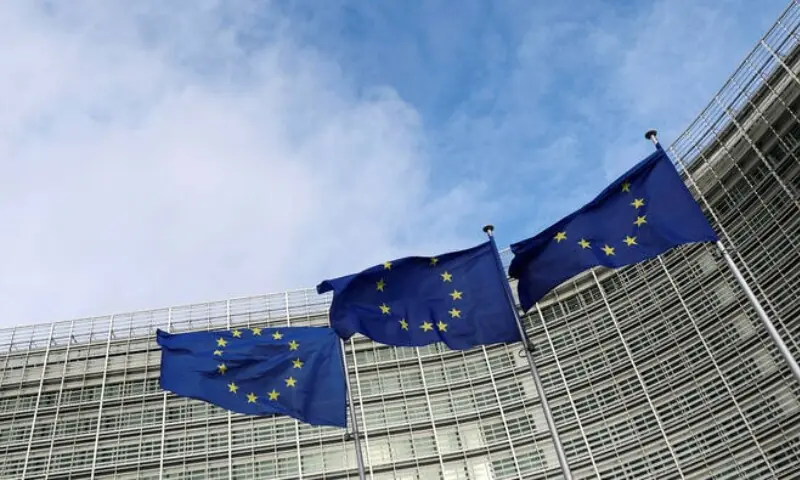
Brussels has issued its final verdict on Pakistan’s eligibility for the Generalized System of Preferences Plus (GSP-Plus) scheme, setting a stringent path for the country to follow if it wishes to retain preferential access to European markets. The decision comes as the EU's new trade rules come into effect in January 2027, requiring Pakistan to reapply and submit a detailed plan of action by the end of 2028.
The European Union’s assessment, published on July 16th, 2026, serves as the baseline for Pakistan's application. The country stands to lose significant economic benefits if it fails to meet these new requirements, including €7.5 billion in annual exports and €730 million in yearly savings from tariff exemptions. These figures underscore the critical importance of the GSP-Plus scheme for Pakistan’s economy, particularly its textile sector which provides livelihoods to millions.
While acknowledging some progress, such as narrowing the scope of the death penalty, new laws against child marriage and domestic violence, and ratification of the ILO forced-labour protocol, the EU has made it clear that more needs to be done. The reforms required are not concessions but obligations Pakistan freely undertook to benefit from GSP-Plus. These reforms align with the country’s long-term goals for a stronger, more stable, and prosperous economy.
The leadership in Islamabad is faced with tough choices as they navigate this complex process. The government must demonstrate seriousness and commitment to the application process, treating it not just as a bureaucratic hurdle but as an opportunity for meaningful reform. The window of over two years provides a clear timeline and checklist that can guide Pakistan towards achieving its goals.
The recent record shows that Pakistan has the capacity for progress. However, aligning priorities is crucial. What needs to be done is not only good for jobs and economic growth but also for society as a whole. The national leadership must now allow society the freedoms it needs to start stabilizing itself. This includes addressing key areas such as human rights, labor laws, and environmental commitments.
The EU’s expectations are high, but they align with Pakistan's own aspirations. By focusing on these reforms, Pakistan can ensure that its economy remains competitive and resilient in a global market. The challenge lies not just in meeting the requirements but also in ensuring that the reforms lead to sustainable development and improved living standards for all citizens.
In conclusion, while the path ahead is challenging, it offers an opportunity for Pakistan to strengthen its relationship with Europe and enhance its own economic prospects. The government must rise to this occasion by demonstrating a clear commitment to reform and progress.