
Key Takeaways
- Kazakh President Kassym-Jomart Tokayev calls for AI development.
- Initiatives aim to promote cross-border digital infrastructure.
- Focus on harmonizing AI policies to foster peace and sustainable growth.
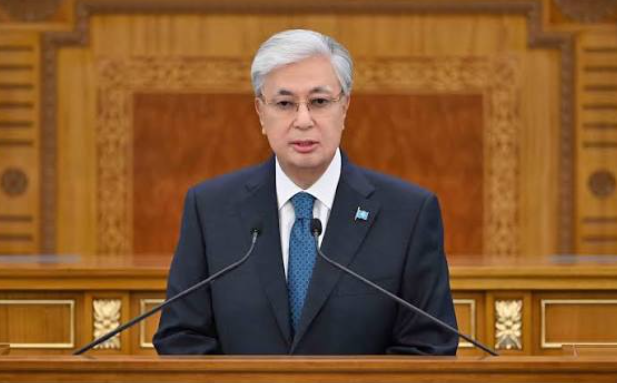
Kazakh President Kassym-Jomart Tokayev has called for the development of artificial intelligence (AI) as a means to promote peace and sustainable economic growth during the opening ceremony of the 2026 World Artificial Intelligence Conference in Shanghai.
In his address, Tokayev highlighted the importance of cross-border digital infrastructure, emphasizing that such initiatives can enhance cooperation between nations and contribute to global stability. He proposed several measures aimed at harmonizing AI policies across borders to ensure a balanced and beneficial use of technology.
The president stated, 'AI has the potential to transform our societies for the better if we work together to develop it responsibly.' This call for collaboration underscores the need for international coordination in AI research and deployment. According to Tokayev, such efforts can lead to significant advancements in areas like healthcare, education, and environmental sustainability.
During his speech, Tokayev also mentioned the importance of ethical considerations in AI development. He stressed that while technological progress is crucial, it must be guided by principles that ensure fairness and transparency. 'We cannot afford to let technology divide us; instead, we should use it as a tool for unity,' he said.
The president’s remarks come at a time when many countries are grappling with the rapid advancements in AI and their potential impacts on society. By advocating for harmonized policies, Tokayev aims to create an environment where AI can be harnessed for positive outcomes without compromising national or global interests.
While details of specific initiatives were not provided during the opening ceremony, it is expected that discussions will continue at the conference to explore practical steps towards implementing these ideas. The event serves as a platform for leaders and experts from around the world to engage in dialogue about the future of AI and its role in shaping global policies.
In conclusion, President Tokayev’s call for AI development reflects a broader trend towards international cooperation in technology. As nations seek to leverage AI for economic benefits and social progress, initiatives like this one could play a significant role in fostering a more interconnected and harmonious digital future.
'AI has the potential to transform our societies for the better if we work together to develop it responsibly.'
Kassym-Jomart Tokayev, President of Kazakhstan


