Key Takeaways
- A Taiwan-Japan AI technology forum focused on AI applications and semiconductor supply chains.
- IBM has demonstrated 2nm chip manufacturing capability in the lab, but faces challenges for mass production.
- Rapidus, IBM’s licensed partner, aims to achieve mass production in Hokkaido.
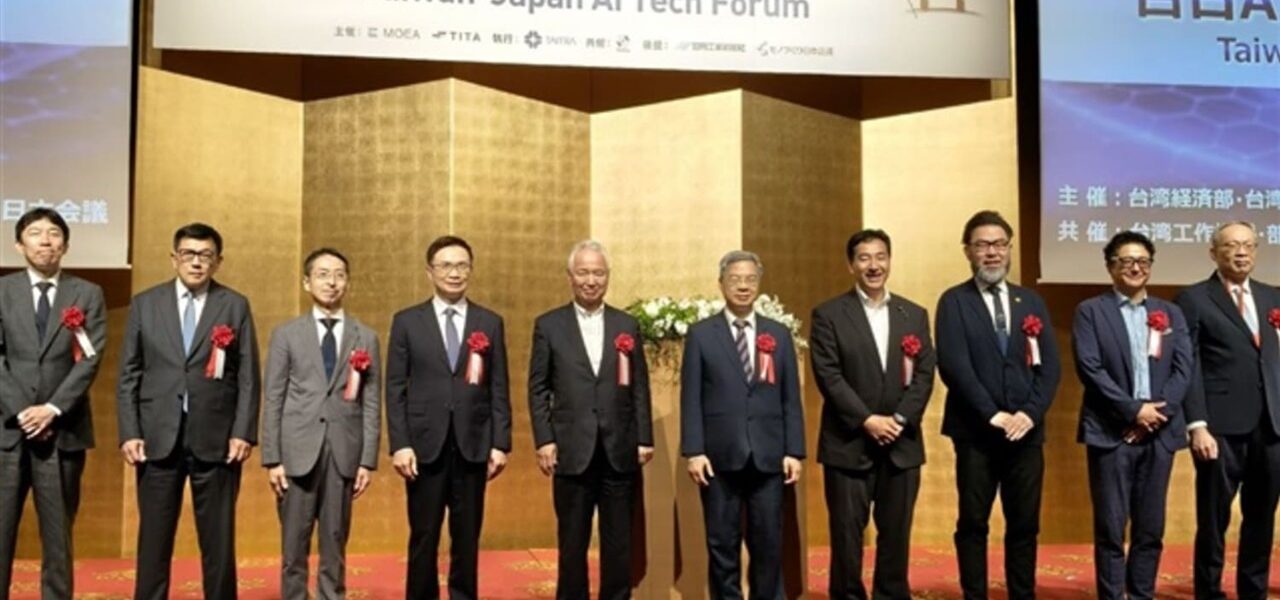
A recent Taiwan-Japan AI technology forum held at Taiwan Expo Japan brought together key stakeholders from government, industry, academia, and research. The event aimed to foster closer partnerships and discuss advancements in artificial intelligence (AI) applications, semiconductor supply chains, smart manufacturing, and innovation.
Terry Tsao, the global marketing chief of SEMI and head of its operations in Taiwan, highlighted that while IBM has already demonstrated 2nm chip manufacturing capability in the lab, the biggest challenge for its licensed partner, Japanese chipmaker Rapidus, lies in achieving mass production. This is particularly significant as Rapidus plans to set up a factory in Hokkaido.
During the forum, participants emphasized the importance of collaboration between Taiwan and Japan in advancing AI technologies and semiconductor manufacturing. The discussions centered on how these two regions can leverage their strengths to enhance global competitiveness in the tech industry.
Tsao noted that while IBM’s lab achievements are impressive, the transition from laboratory-scale production to mass production involves numerous technical hurdles, including yield optimization. He stated, 'The biggest challenge for Rapidus will be achieving consistent and high-yield production at scale.'
The forum also explored potential areas of cooperation between Taiwan and Japan in smart manufacturing and AI applications. Industry experts discussed the integration of AI into various sectors to improve efficiency and productivity.
Academic representatives from both countries shared insights on ongoing research projects aimed at developing next-generation semiconductor technologies. These discussions highlighted the need for continued investment in R&D to stay ahead in the rapidly evolving tech landscape.
Government officials expressed their commitment to supporting such collaborative efforts, emphasizing that partnerships like these are crucial for maintaining technological leadership and ensuring economic resilience in the face of global challenges.
The forum concluded with a call for sustained dialogue and collaboration among all participants. It was agreed that regular follow-up meetings would be essential to track progress and address any emerging issues.
The biggest challenge for Rapidus will be achieving consistent and high-yield production at scale.
Terry Tsao, SEMI's global marketing chief and head of the organization's operations in Taiwan