Key Takeaways
- Rooftop solar capacity in Pakistan has grown nearly 37 times over six years.
- The government introduced a new net billing system to address financial and technical challenges.
- The shift aims to balance consumer incentives with the financial health of the power sector.
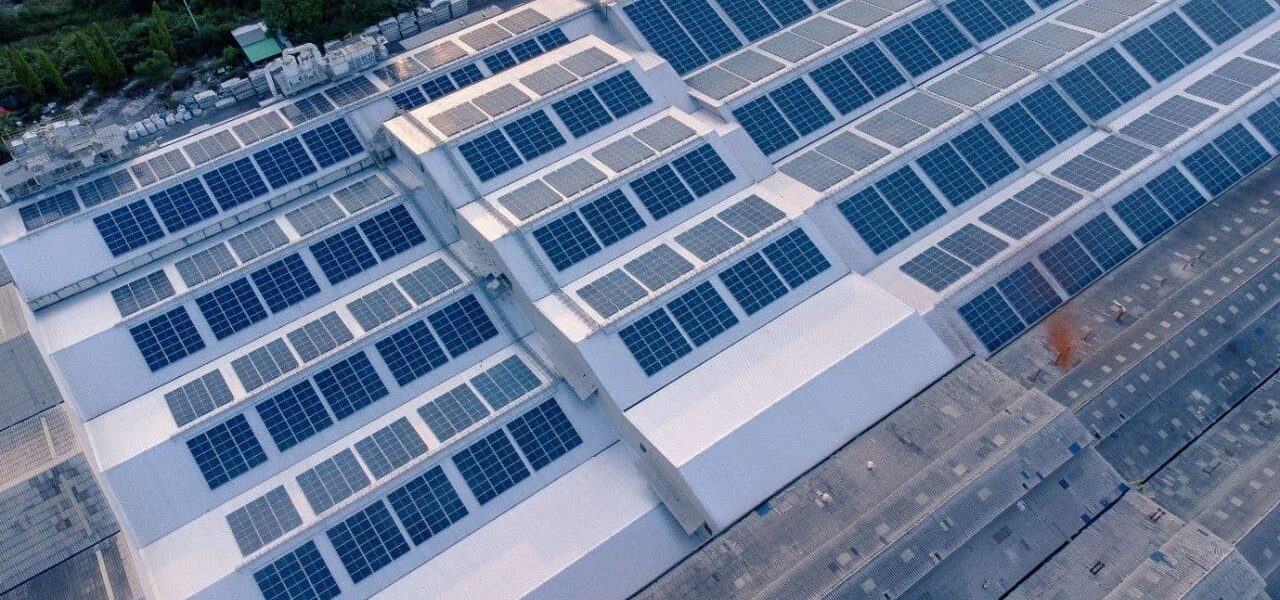
Pakistan’s solar energy sector has experienced significant growth, reaching nearly 7,000 megawatts (MW) by June 2026. This expansion marks a 37-fold increase from just 190 MW in fiscal year 2020, according to Energy Adviser to the Power Division Syed Faizan Ali.
Speaking at a SAARC webinar, Mr. Ali highlighted that the rapid growth can be attributed to rising electricity prices, depreciation of the Pakistani rupee, and a substantial decline in global solar panel costs. The rupee depreciated by approximately 75 percent between fiscal years 2021 and 2025, while electricity tariffs increased by nearly 140 percent during the same period.
Imported solar panels saw their prices fall by about 60 percent over this timeframe, significantly improving the economics of rooftop solar installations. This led to record numbers of installations across Pakistan, contributing to the sector’s remarkable expansion.
However, the previous net metering system, which allowed consumers to receive one-to-one credit for electricity exported back to the grid, created financial pressure on the power sector. The policy had a Rs. 101 billion revenue impact in fiscal year 2024, prompting policymakers to replace it with the Prosumer Regulations 2026.
The new net billing framework came into effect on February 8, 2026. Under this system, new rooftop solar consumers will be paid a lower reference price for electricity exported to the grid, while they continue to pay the applicable retail tariff for imported electricity from the grid. Existing net metering agreements under the 2015 regulations will remain in effect until their contracts expire.
Officials emphasize that the challenge moving forward is to balance consumer incentives for rooftop solar with the financial health of the power sector and avoid placing an undue cost burden on consumers without solar systems. The new system aims to ensure a sustainable growth trajectory for the solar industry while maintaining grid stability.
The transition to the net billing framework reflects Pakistan’s commitment to renewable energy, driven by both economic and environmental considerations. As the country continues to navigate this shift, stakeholders will closely monitor its impact on the power sector and overall energy landscape.