Key Takeaways
- Petrol and diesel prices are expected to increase from July 18.
- High-speed diesel (HSD) could see the largest hike, up to Rs. 40 per litre.
- Officials warn of potential fuel hoarding and instruct market surveillance.
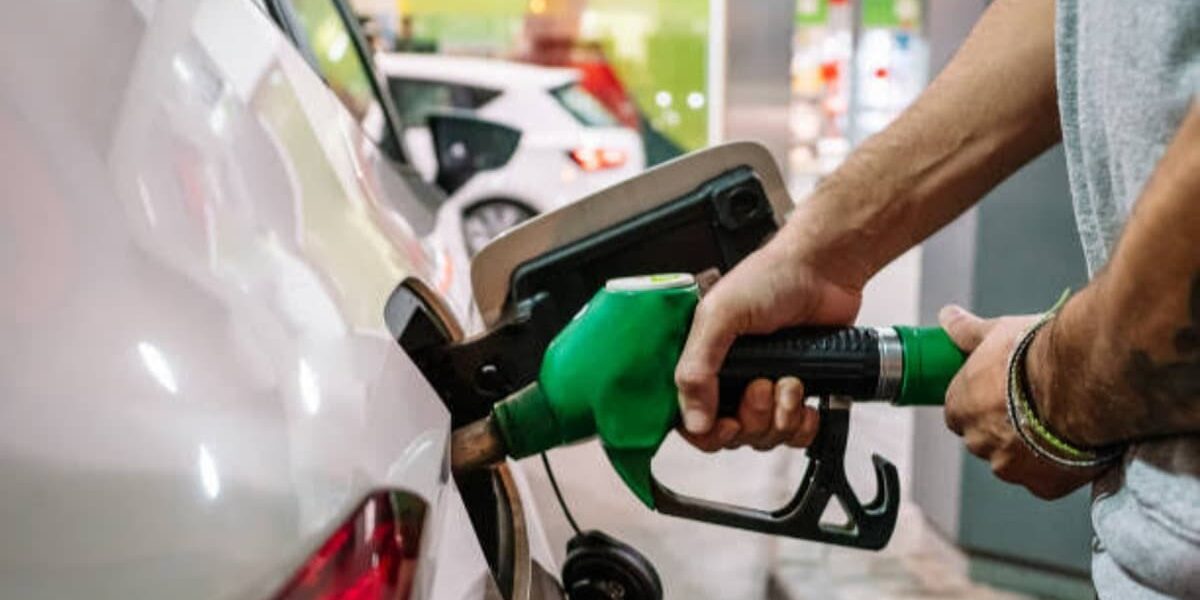
Petrol and high-speed diesel prices are set to rise in Pakistan from July 18, according to preliminary estimates. The increase is expected due to a rise in global oil prices, with HSD potentially seeing the largest hike of up to Rs. 40 per litre.
The government is considering reducing the petroleum levy to partially offset the impact and provide some relief to consumers. However, officials have also noted an unusual surge in petroleum product sales during the first half of July, raising concerns about potential hoarding by dealers and distributors.
During a meeting of the National Committee on Monitoring and Coordination (NCMC), representatives from the Oil Companies Advisory Council (OCAC), the Oil and Gas Regulatory Authority (OGRA), and other government stakeholders reviewed the issue. OGRA’s analysis suggested that this surge in demand may be linked to hoarding, leading officials to direct them to strengthen market surveillance and enforcement against speculative practices.
Provincial governments were also asked to carry out inspections and take action against anyone creating artificial shortages or disrupting fuel supplies. The committee reiterated that Pakistan's petroleum inventories remain sufficient to meet current demand and urged consumers to avoid panic buying.
Despite these assurances, some filling stations have reportedly faced temporary shortages in certain areas of the country. However, officials maintain that national petroleum stocks are adequate and that oil marketing companies will ensure uninterrupted fuel supplies across the country.
The government's measures include a directive for OGRA to monitor market conditions closely and take necessary actions against any irregularities. The committee also emphasized the importance of maintaining transparency in pricing and supply chains to prevent speculation and hoarding.