Key Takeaways
- Outstanding auto loans reached Rs. 382 billion in June 2026, the highest level ever recorded.
- Total private sector lending increased by 15.4 percent year on year to Rs. 11.16 trillion.
- Car and jeep production surged by over 60 percent during FY2025-26.
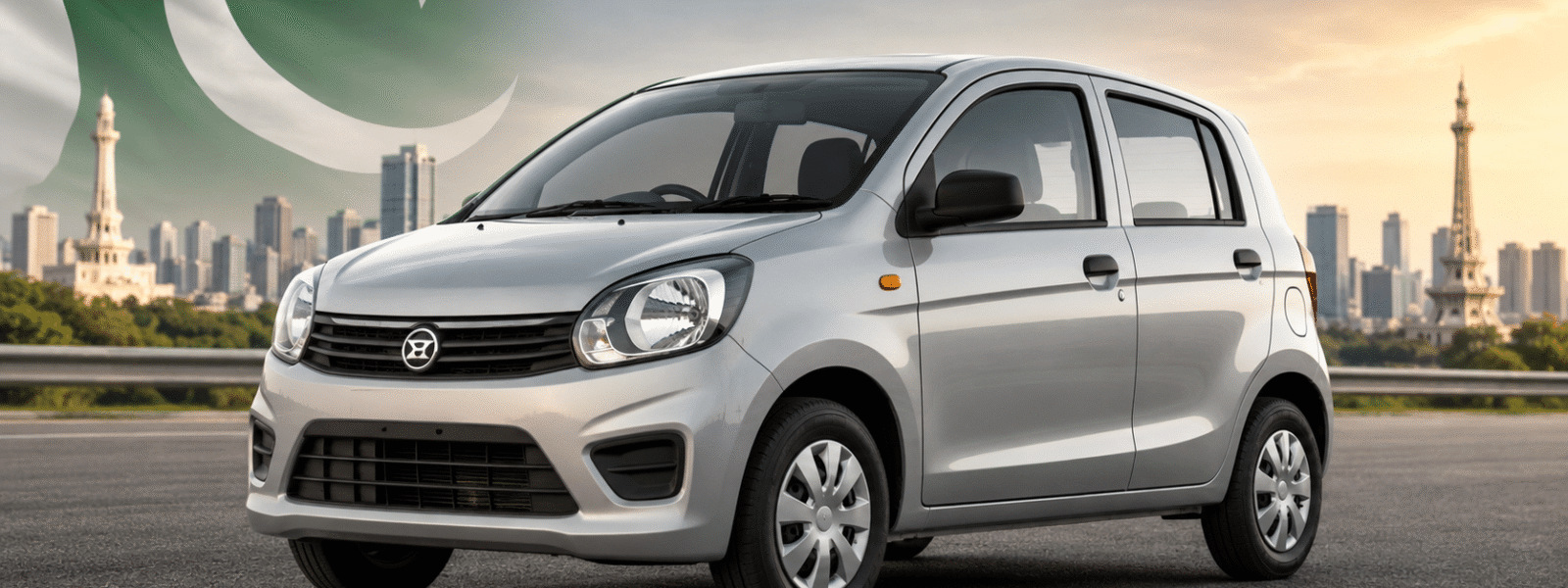
In June 2026, auto financing in Pakistan reached an unprecedented level of Rs. 382 billion, marking the highest figure ever recorded according to Arif Habib Limited. This significant increase represents a 38 percent rise from the previous year’s total of Rs. 277 billion and a 3.4 percent monthly growth from May's Rs. 369 billion.
The robust recovery in auto financing follows a period of decline, with outstanding loans falling to around Rs. 225 billion in 2024 due to aggressive monetary tightening and high borrowing costs. Since then, the sector has seen consistent expansion, reflecting improved economic conditions and consumer confidence.
Overall private sector lending also showed strong growth, increasing by 15.4 percent year on year to Rs. 11.16 trillion in June 2026. Business lending, which constitutes a significant portion of this total, rose to Rs. 9.60 trillion, up 14 percent from the same period last year and 4.7 percent month on month.
Consumer financing experienced notable growth as well, with personal loans increasing by 7.7 percent to Rs. 283 billion, house building finance rising by 29 percent to Rs. 267 billion, and outstanding credit card balances climbing by 29.1 percent to Rs. 205 billion.
The surge in auto financing is closely linked to the recovery of Pakistan’s automobile sector. Official data from recent months indicate that car and jeep production has increased by more than 60 percent during the first 11 months of fiscal year 2025-26, driven by improved demand, eased financing conditions, and greater vehicle availability.
These figures suggest a positive outlook for both the automotive industry and broader economic recovery in Pakistan. The continued growth in auto loans is expected to support further expansion in manufacturing and consumption, potentially boosting overall economic activity.