Key Takeaways
- A high-level committee has convened to assess the commercialization of GM corn.
- The committee will review scientific, economic and regulatory implications.
- Recommendations are expected to guide future policy on GM maize.
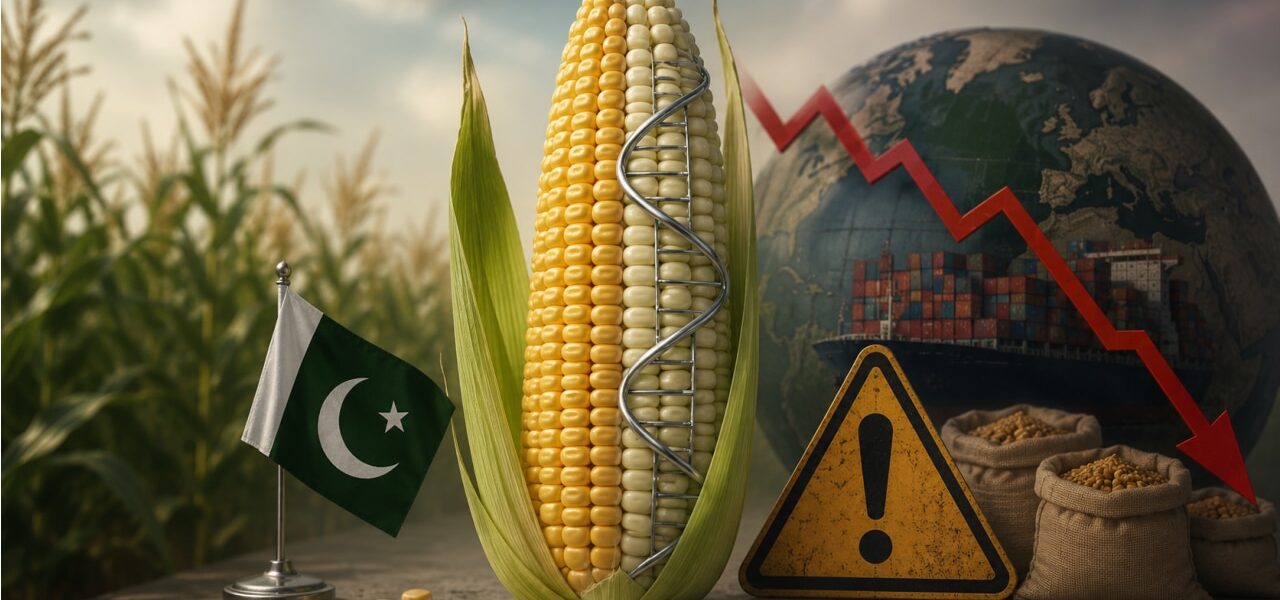
The federal government in Pakistan has initiated a formal process to evaluate the country’s policy regarding the commercial cultivation of genetically modified (GM) corn. The decision comes after a growing debate over the role of such crops in enhancing agricultural productivity and mitigating climate-related risks.
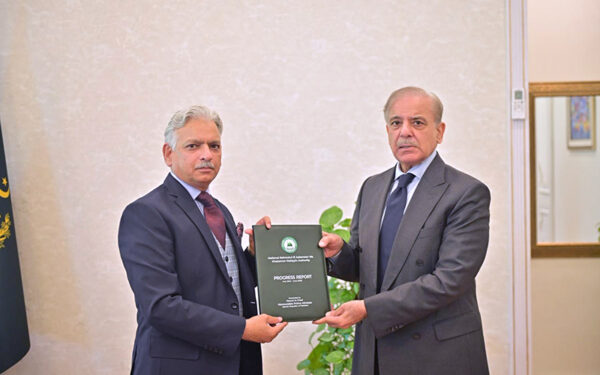
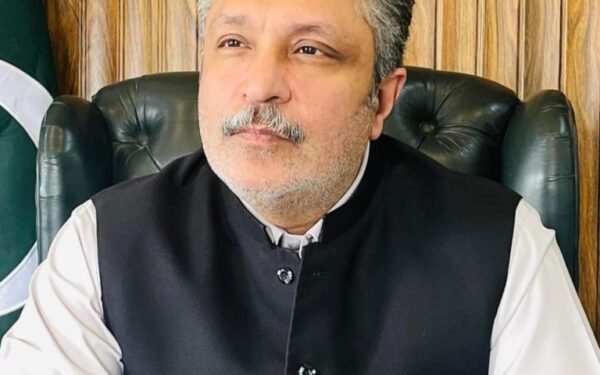
Chaired by Finance Minister Muhammad Aurangzeb, the committee was constituted by Prime Minister Shehbaz Sharif to conduct an evidence-based review before making recommendations to the government. During its first meeting, officials from the Ministry of National Food Security and Research briefed members on Pakistan’s National Agricultural Biotechnology Policy, international regulatory practices, biosafety assessments and the policy’s development process.
The committee reviewed global experiences with GM maize, including how countries manage coexistence between genetically modified and conventional crops. Participants discussed potential impacts on agricultural productivity, climate resilience, food security, farmer incomes, industrial competitiveness, as well as effects on Pakistan’s poultry, livestock and manufacturing sectors, export opportunities, certification requirements, and market access for non-GM products.
Government institutions, regulatory authorities, the private sector, exporters, and scientific experts presented their views on the potential benefits, implementation challenges, regulatory preparedness, and international market requirements associated with GM corn. Aurangzeb emphasized that recommendations would be based on scientific evidence, objective analysis, and Pakistan’s long-term national interest.
Improving agricultural productivity, strengthening food security, and increasing farmer incomes remain key priorities for the government. Implementation capacity, environmental safeguards, regulatory readiness, and market access considerations will be central to the policy review. The committee was established following a decision by the government to undertake a fresh review of its biotechnology policy amid ongoing discussions.
The recommendations from this committee are expected to shape Pakistan’s future policy on the commercial cultivation of GM maize, ensuring that any decisions align with scientific evidence and national interests.