Key Takeaways
- A judicial magistrate dismissed the post-arrest bail petition of Rehan Tariq, a podcast host.
- Tariq was arrested by NCCIA after discussing sensitive religious issues on his show.
- The court noted no extraordinary case for granting bail in this matter.
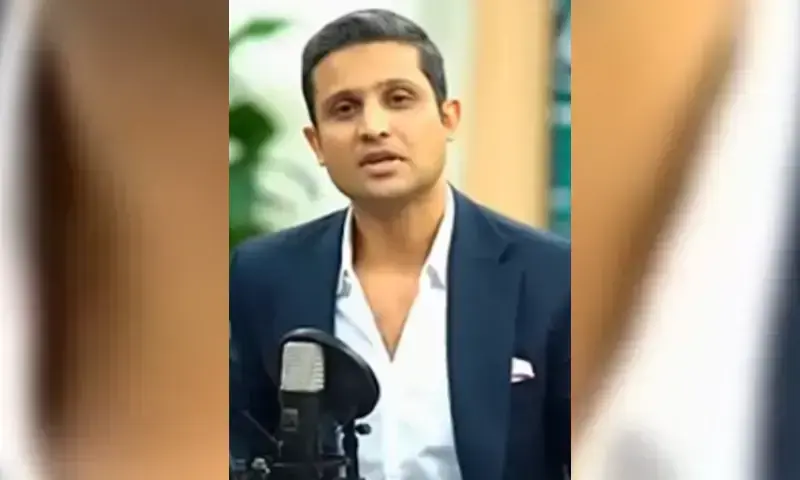
A judicial magistrate has dismissed the post-arrest bail petition of Rehan Tariq, a podcast host, in a case registered under blasphemy laws and the Prevention of Electronic Crimes Act. The National Cyber Crime Investigation Agency (NCCIA) had arrested Tariq from Lahore’s international airport upon his arrival from abroad after he conducted a controversial podcast with a religious scholar.
Advocate Mian Dawood argued before the magistrate that the prosecution failed to produce any evidence linking Tariq to alleged social media uploads. He contended that conducting an interview and asking questions on historical or religious matters were constitutionally protected journalistic functions, and that the first information report (FIR) did not specify which questions were allegedly objectionable.
The advocate further stated that opinions obtained from prominent religious scholars showed that Tariq’s questions did not amount to disrespecting any revered Islamic personality. He argued that Tariq was entitled to bail because the prosecution failed to comply with the requirements of Section 196 (Prosecution for offences against the state) of the Criminal Procedure Code (CrPC).
The court, in its verdict, dismissed the bail petition, noting that no case for extraordinary concession of bail had been made out. The NCCIA registered FIRs against Tariq under sections 11 (hate speech), 153-A (spreading hate or promoting enmity between different groups), section 295-A (outraging religious feelings) and section 298 (uttering words or making gestures with the deliberate intent to wound religious feelings) of the Pakistan Penal Code.
Earlier this month, the same magistrate granted NCCIA a six-day physical remand of Tariq upon the request of the investigating officer. In May, the NCCIA had arrested 11 social media activists in different cities of Punjab for allegedly spreading “anti-state propaganda and inciting unrest” among the public.
The case highlights ongoing tensions between freedom of expression and blasphemy laws in Pakistan. Tariq’s legal team argued that his actions were within the bounds of journalistic practice, while the prosecution maintains that he violated sensitive religious norms through his podcast.
This development comes at a time when debates around free speech and religious sensitivities continue to be contentious issues in Pakistani society. Legal experts have expressed concerns over the potential misuse of blasphemy laws against individuals expressing controversial views online or offline.