Key Takeaways
- Argentina players used a banner supporting their claim to the Falkland Islands after winning against England in the World Cup semi-final.
- The message on the banner read 'Las Malvinas son Argentinas', referring to the 1982 Falklands War.
- Fifa may impose a fine for this display, which violated the organisation's rules.
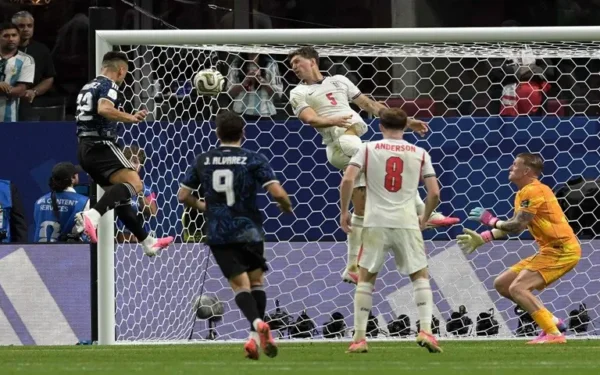
Argentina’s national football team faces the prospect of a FIFA fine after their players celebrated their World Cup semi-final victory over England with a banner supporting their country's claims to the Falkland Islands. The incident occurred during the match in Atlanta, where Argentina were trailing 1-0 with five minutes remaining but rallied to win 2-1.
The message on the banner read 'Las Malvinas son Argentinas', which translates to 'The Malvinas are Argentine' and refers to the 1982 Falklands War. This display was seen by millions of viewers around the world, as Argentina advanced to their second consecutive World Cup final, where they will face Spain in New Jersey on Sunday.
According to reports from BBC World, FIFA has strict rules regarding political statements during matches and may impose penalties for such displays. The organisation's stance is that banners or other forms of celebration should not include any content that could be seen as promoting political agendas or causing division among nations.
The incident highlights the sensitive nature of the Falklands dispute between Argentina and the United Kingdom, which has been ongoing since 1982 when British forces reclaimed the islands from Argentine occupation. The banner was a clear statement by the Argentinian players, who were celebrating their victory with a message that resonated strongly with their national identity.
In a statement to The Guardian, an unnamed FIFA spokesperson confirmed that they are aware of the incident and would be reviewing it according to their regulations. 'We take such matters very seriously,' said the spokesperson, adding that any decision on penalties would depend on the severity of the violation and the context in which it occurred.
The World Cup final is set for Sunday, with Argentina facing Spain in New Jersey. The match will not only determine the champions but also provide a platform for further discussions around the Falklands dispute. For now, attention remains focused on the potential consequences of this display during the semi-final win over England.
As the world watches the final stages of the tournament, the incident serves as a reminder of the complex geopolitical issues that can intersect with international sports events.