Key Takeaways
- Pakistan's recent efforts aimed at achieving sustainable peace between the United States and Iran focused on creating diplomatic space.
- The Strait of Hormuz is identified as the real sticking point in negotiations, crucial for global energy markets and regional security.
- Both Washington and Tehran view Hormuz through different strategic lenses, making a diplomatic breakthrough challenging.
Pakistan’s recent diplomatic efforts to achieve sustainable peace between the United States and Iran have been assessed not by immediate results but by their strategic accomplishments. These efforts helped create diplomatic space at a critical moment, reducing the risk of regional escalation.
The process also contributed to bringing Washington and Tehran into direct high-level engagement after nearly five decades of estrangement, demonstrating that dialogue remains possible even amid military confrontation. This engagement is crucial for understanding the real sticking points in future negotiations.
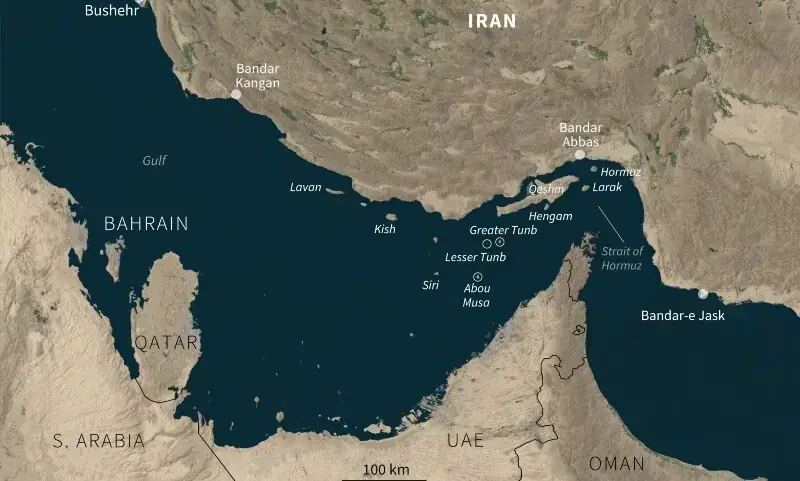
One such sticking point identified by Pakistan’s efforts is the Strait of Hormuz, a key geopolitical chokepoint connecting the Persian Gulf with the Arabian Sea. The strategic importance of Hormuz extends far beyond its role as a maritime passage; it is one of the world's most consequential energy corridors, through which nearly one-fifth of globally traded oil and a substantial share of liquefied natural gas exports pass.
For Washington, the objective in Hormuz negotiations is to ensure uninterrupted freedom of navigation under internationally accepted maritime law. The United States views Hormuz as a global maritime common whose continuous operation is indispensable for international trade, energy security, and economic stability. However, this objective must be balanced with reassurance to its Gulf partners, many of whom remain deeply concerned about any security arrangement that could enhance Iranian dominance over the Strait.
Iran, on the other hand, views Hormuz through a different strategic lens. For Tehran, the Strait is not merely a commercial shipping lane but its most significant conventional strategic deterrent. Its position along the northern side of the Strait provides Iran with considerable leverage over one of the world’s most critical energy corridors. This geographic reality partially compensates for Iran's conventional military limitations and serves as a powerful instrument of deterrence.
The central contradiction in US-Iran relations lies in their differing views on Hormuz. The United States seeks unrestricted navigation, while Iran seeks recognition of its strategic leverage. Addressing this contradiction is essential for any diplomatic breakthrough to be inherently fragile without it.
While the nuclear programme remains a significant issue, the focus often obscures the deeper strategic issue that has repeatedly frustrated diplomatic efforts. The nuclear file is important but not the decisive obstacle; Hormuz is the real sticking point in US-Iran negotiations. This understanding is crucial for future discussions and could pave the way for more sustainable peace between the two nations.