Key Takeaways
- Iran's Islamic Revolutionary Guard Corps threatens to close additional export corridors benefiting the US and its allies.
- The Strait of Hormuz remains closed, while Iran signals potential use of Houthi forces in Yemen to shut Bab el-Mandeb.
- US military strikes near the Strait of Hormuz target Iranian military infrastructure.
Iran's Islamic Revolutionary Guard Corps (IRGC) has issued a stern warning, threatening to block 'all other export corridors that benefit the US and its allies,' following the closure of the Strait of Hormuz and renewed US naval blockade of Iranian ports. The IRGC statement, reported by Iran’s state news agency IRNA on Wednesday, underscores the escalating tensions between Tehran and Washington.
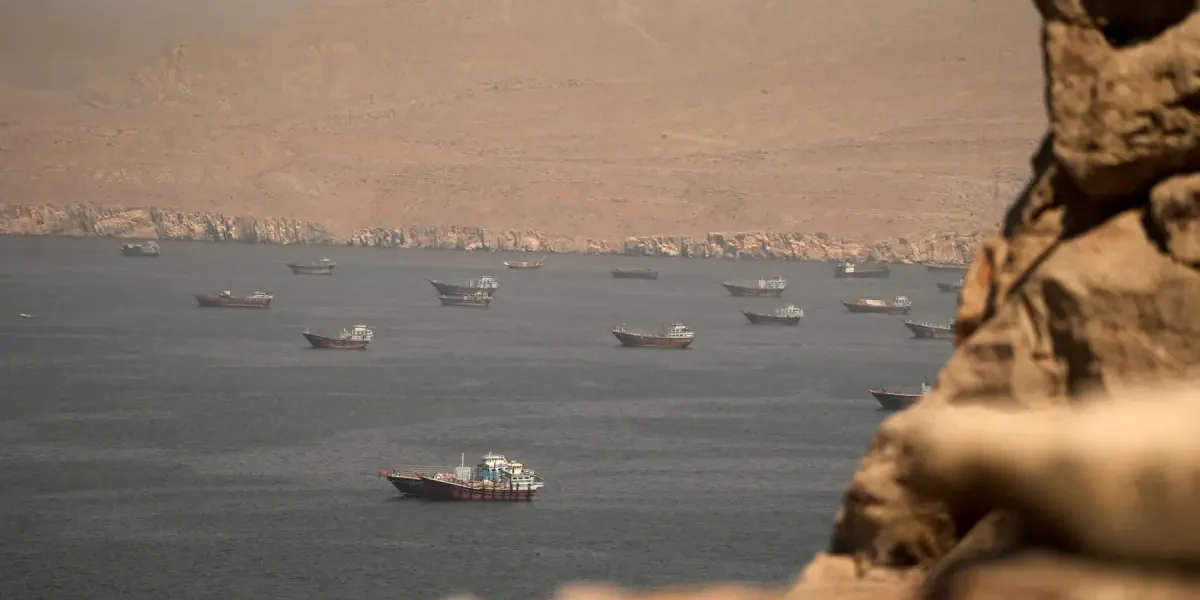
The Strait of Hormuz, a critical maritime passage through which one-fifth of the world's oil supply passes daily, has been at the heart of this conflict. With its closure, regional energy exports are now facing significant disruptions. The IRGC’s statement emphasizes that 'regional energy exports are either shared by all or denied to all,' indicating a zero-sum game in global energy trade.
Analysts suggest that Iran may leverage its Houthi allies in Yemen to close the Bab el-Mandeb gateway, another vital waterway linking the Red Sea and the Gulf of Aden. This move could further exacerbate global energy prices, potentially driving them to $200 a barrel, as warned by a senior Houthi official on Monday.
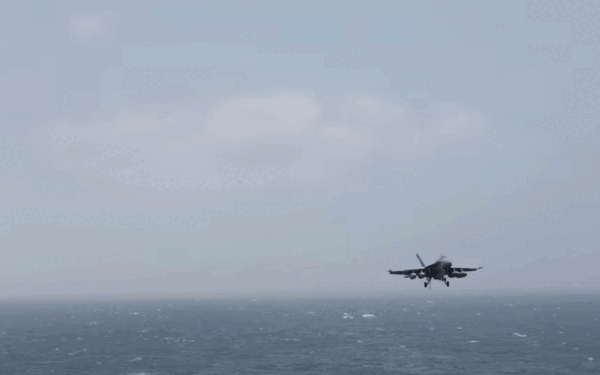
The renewed US naval blockade has already cut off oil and gas exports to the world, including 'America’s economic rivals.' The US military claims Iran had attacked seven commercial ships over the last week, resulting in nearly a dozen crew members being killed, missing, or injured. In response, the US launched a fresh round of strikes on Tuesday, targeting dozens of military targets near the Strait of Hormuz and Iranian coastal areas.
The wave of US strikes lasted for seven hours, according to a statement from the US Central Command. Iranian state media reported explosions near Bandar Abbas, Qeshm island, and Bandar Imam Khomeini. A wheat storage silo in Hoveyzeh was also reportedly hit by US projectiles, while IRNA said projectiles struck an area near Sirik in southern Iran.
In a swift retaliation, Iranian forces launched drone attacks on a military base in Jordan that hosts American warplanes, as well as on US facilities in Bahrain and Kuwait. Sirens rang out in Bahrain soon after the strikes, and Kuwait and Jordan reported intercepting drones and missiles fired from Iran.
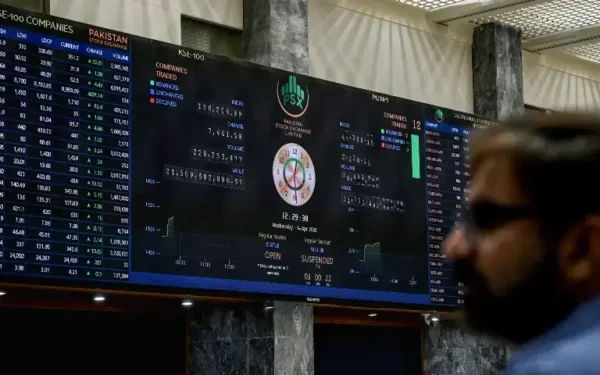
The ongoing conflict has sent shockwaves through global markets, with energy prices already on the rise due to the closure of the Strait of Hormuz. Analysts predict that any additional blockades could further destabilize the region and increase oil prices significantly.