Key Takeaways
- EU foreign ministers will meet in Brussels to discuss a possible ban.
- The decision is expected to be delayed for months.
- Humanitarian crisis in Gaza and violence in the West Bank are key concerns.
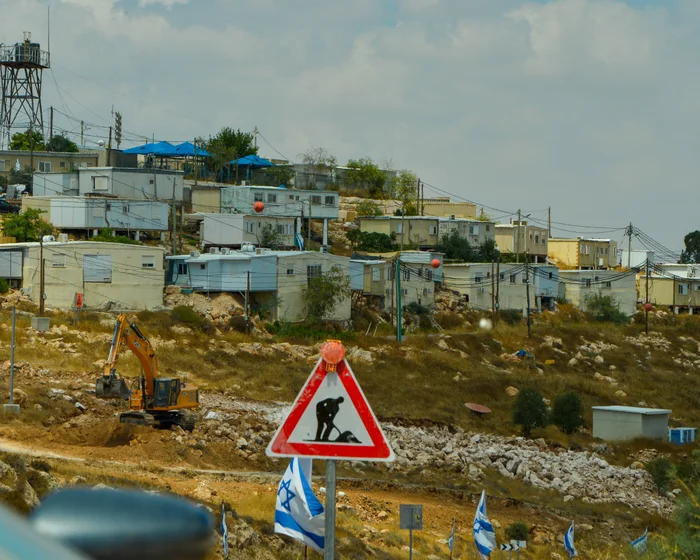
EU foreign ministers are set to convene in Brussels on Monday to deliberate over a potential ban on trade with Israeli settlements, amid ongoing humanitarian crises and escalating violence. The meeting comes at a critical juncture as international law is once again called into question.
The discussion will focus on the possibility of implementing a trade embargo against illegal Israeli settlements, which have been a point of contention for years. However, the decision to proceed with such measures is not expected to be made immediately, with officials warning that it could take months before any concrete action is taken.
The meeting follows reports from the United Nations (UN) that Israel has committed genocide in Gaza, where a humanitarian crisis continues to unfold. The UN inquiry highlighted severe violations of international law and human rights abuses, prompting calls for immediate action by the EU. Additionally, surging state-backed violence in the occupied West Bank has resulted in at least 235 child casualties, further intensifying pressure on European policymakers.
While the debate is expected to be contentious, EU officials have emphasized the need to uphold international law and address the humanitarian crisis. However, practical challenges remain, including the economic implications of such a ban for both Israeli settlers and local communities in the occupied territories.
The delay in decision-making has drawn criticism from various quarters, with some accusing the EU of dragging its feet on an issue that requires urgent attention. Critics argue that the ongoing violence and humanitarian suffering necessitate swift action to prevent further atrocities.
During the meeting, ministers will likely explore various options for implementing a trade ban, including potential exemptions or phased approaches. However, any decision is expected to be complex and multifaceted, balancing economic interests with moral imperatives.
The outcome of Monday's discussions could have significant implications for both Israeli settlements and the broader Middle East peace process. While the EU has long advocated for a two-state solution, the current crisis highlights the need for immediate action to address ongoing human rights violations.